Understanding Tarantula Nesting Needs
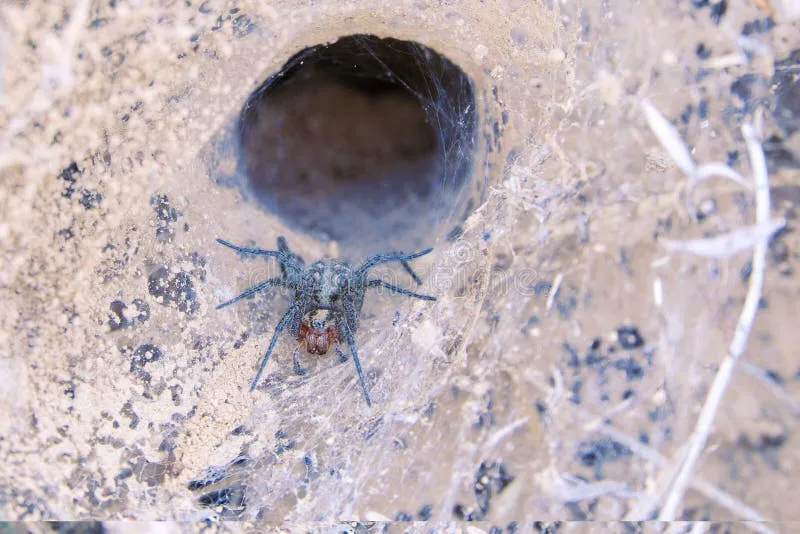
Creating a suitable tarantula spider nest is essential for the health and well-being of your pet. Tarantulas are ambush predators that spend a significant portion of their lives in or near a nest, which provides protection, a stable microclimate, and a place to hunt and molt. Understanding their nesting needs is the first step in providing the right environment. The ideal nest replicates their natural habitat, allowing them to thrive and exhibit natural behaviors. Proper nest construction is crucial for the spider’s physical and psychological health, contributing to a longer lifespan and a happier pet. The design and maintenance of the nest directly impact the tarantula’s ability to thermoregulate, find food, and avoid stress, making it a fundamental aspect of responsible tarantula ownership.
Natural Habitats of Tarantulas
Tarantulas are found in a variety of habitats around the world, from tropical rainforests to arid deserts. Their nesting habits vary depending on the species and environment. Some tarantulas are terrestrial, constructing burrows in the ground, while others are arboreal, living in trees or elevated structures. These natural habitats inform the best practices for replicating their needs in captivity. Most tarantulas seek out sheltered spots with consistent temperature and humidity, away from direct sunlight and harsh weather conditions. In the wild, nests offer protection from predators and provide a safe space for molting and egg laying. By observing their natural behaviors, you can gain insights into how to create an optimal enclosure that meets the specific needs of your tarantula.
Types of Tarantula Nests

Tarantula nests can be broadly classified into a few types based on their construction and location. The primary forms are burrows and webbing nests, each serving different functions and providing unique benefits to the spider. Understanding these types will help you determine the most appropriate nest structure for your tarantula species. Each type has its advantages and disadvantages, and the optimal choice depends on factors such as the tarantula’s natural habits and the availability of suitable building materials in its native environment. Careful consideration of these factors can ensure that your tarantula feels secure and content in its enclosure.
Burrows
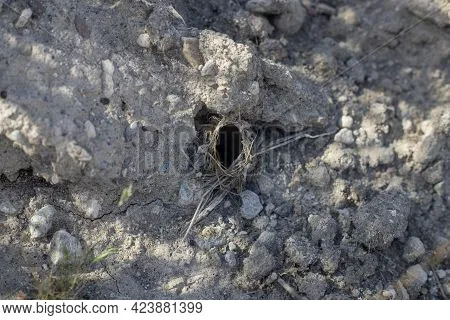
Burrowing tarantulas dig tunnels in the substrate, which they use as a refuge from predators and environmental extremes. These burrows can be quite elaborate, with multiple chambers and tunnels. The depth and structure of the burrow depend on the species, substrate, and environmental conditions. A well-constructed burrow provides excellent insulation and helps the tarantula regulate its body temperature and humidity levels. The entrance to the burrow may be camouflaged with webbing and debris, making it difficult for predators to locate. Replicating the burrowing behavior of your tarantula in captivity can greatly enhance its comfort and reduce stress, while also allowing you to observe natural behaviors like hunting and molting.
Webbing Nests
Some tarantula species, particularly arboreal ones, construct nests primarily from webbing. These nests may be located in trees, under rocks, or within other elevated structures. Webbing nests offer protection and provide a platform for hunting. The construction of the nest involves spinning silk to create a secure and comfortable environment. The silk may be used to create a complex structure that traps prey or provides insulation against the elements. Arboreal tarantulas often expand and modify their webbing nests as they grow, adding new layers and chambers. Recreating this type of nest in an enclosure can be achieved by providing suitable anchor points and materials for web-spinning, which will contribute to the natural behavior of the tarantula.
Choosing the Right Materials

Selecting the right materials is crucial for creating a functional and safe tarantula spider nest. The materials you choose will directly impact the ability of your tarantula to thrive. Providing the correct substrate, maintaining proper humidity, and regulating temperature are vital components of a healthy enclosure. Incorrect choices can lead to various health issues and significantly reduce the lifespan of your pet. By carefully considering the needs of your specific tarantula species and the properties of different materials, you can create an optimal habitat that promotes its well-being and allows it to exhibit natural behaviors.
Substrate Selection
The substrate forms the foundation of your tarantula’s nest. It provides a medium for burrowing, helps maintain humidity, and offers a safe surface for the tarantula to move around on. The ideal substrate should be able to hold moisture, allow for burrowing (if applicable), and not be toxic or harmful to the spider. Popular choices include coco fiber, peat moss, and a mixture of soil and sand. The depth of the substrate is also important, as it allows the tarantula to construct its burrow and maintain the desired microclimate. Regular monitoring of the substrate’s condition is necessary to prevent the growth of mold or mites, ensuring a clean and healthy environment for your pet.
Humidity Control
Humidity is a critical factor in maintaining a healthy environment for tarantulas. It affects the spider’s ability to molt, and the overall health of the nest. The required humidity level varies depending on the species; tropical tarantulas need higher humidity than those from arid environments. Regularly misting the enclosure with water or using a water dish are common methods to maintain the proper humidity levels. Accurate measurement using a hygrometer is essential for monitoring humidity and making necessary adjustments. Poor humidity control can lead to dehydration, molting problems, and other health issues. By carefully managing humidity, you can ensure your tarantula remains healthy and comfortable.
Temperature Regulation

Temperature is another crucial factor that affects the health and activity of tarantulas. Maintaining a stable temperature within the enclosure is essential for the spider’s metabolism, digestion, and overall well-being. Most tarantulas thrive in temperatures between 75-85°F (24-29°C). Using a heat mat or lamp can help maintain the desired temperature, especially in colder climates. However, it’s important to avoid overheating the enclosure, as this can be detrimental to the spider. Monitoring the temperature with a thermometer and providing a temperature gradient within the enclosure allows the tarantula to regulate its body temperature effectively. The temperature should mimic the natural environment of your tarantula’s native habitat for optimal health.
Step-by-Step Nest Building Guide
Building a tarantula spider nest can be a rewarding experience. Following these steps will help you create a secure and comfortable environment for your pet. This guide provides a simplified approach to constructing the nest, which can be adjusted to meet the specific requirements of your tarantula species. Proper planning and execution are crucial to ensure that the nest meets the spider’s needs and facilitates its natural behaviors. By dedicating time and effort to the creation of a suitable nest, you can contribute to the well-being and longevity of your tarantula.
Preparing the Enclosure
Before constructing the nest, you must prepare the enclosure. Select an enclosure of appropriate size, ensuring that it is large enough for the tarantula to move around and build its nest. The enclosure should have good ventilation and a secure lid to prevent escapes. Clean and disinfect the enclosure thoroughly. Once it’s ready, add the substrate to the bottom of the enclosure. The depth of the substrate will depend on the species of tarantula. Make sure to consider the size of the tarantula, potential size and habits when choosing the size of the enclosure and depth of the substrate. This initial preparation sets the foundation for a healthy and safe environment, crucial for the tarantula’s well-being.
Creating the Burrow
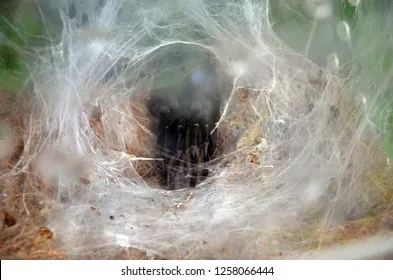
If your tarantula is a burrowing species, this step is essential. Start by creating a starting point for the burrow. You can gently carve a small indentation into the substrate, encouraging the spider to start digging there. Moisten the substrate slightly to make it easier for the spider to dig and to help the burrow maintain its shape. Over time, the tarantula will expand the burrow to its liking. Provide additional support for the burrow walls if necessary, using materials like cork bark or artificial plants. Monitoring the burrow’s progress and making sure there’s enough substrate to maintain structural integrity are crucial during this phase. This process ensures that your tarantula has a secure and comfortable place to retreat.
Webbing and Finishing Touches
For tarantulas that create webbing nests, provide anchor points within the enclosure to aid in web construction. These anchor points can be plants, branches, or pieces of cork bark. The tarantula will use these points to attach its silk and build its nest. Once the basic structure is in place, the spider will begin to weave its web, creating a protective and comfortable habitat. You can gently mist the enclosure to help maintain humidity, which encourages the tarantula to web. Remember to provide appropriate enrichment to ensure a stimulating environment. The finishing touches may include adding a water dish, food, and any decorations to make the enclosure feel like home.
Maintaining Your Tarantula’s Nest
Maintaining your tarantula’s nest is a long-term process that requires diligence and attention to detail. Regularly cleaning the enclosure, checking the humidity and temperature levels, and watching for any signs of problems are crucial for keeping your tarantula healthy and happy. Providing a clean, stable environment will enhance the tarantula’s quality of life and contribute to its longevity. The maintenance process should be tailored to the specific needs of your species, considering factors such as its natural habitat and any potential health risks. By implementing a comprehensive maintenance schedule, you can ensure the long-term well-being of your pet.
Cleaning and Hygiene
Regular cleaning is essential for maintaining a healthy nest. Remove any uneaten food, dead insects, and waste products promptly. These can attract mites and other pests, and also decompose, causing foul odors and health problems. Spot clean the enclosure weekly, and completely replace the substrate every few months, depending on the species and the conditions of the enclosure. While cleaning, carefully inspect the nest for signs of illness or injury. The frequency of cleaning can be adjusted based on the specific needs of your tarantula, but consistent cleaning is necessary to prevent the build-up of harmful bacteria and the proliferation of parasites, contributing to a healthy environment and a happier spider.
Humidity and Temperature Checks
Monitor the humidity and temperature levels within the enclosure daily using a hygrometer and thermometer. Ensure that these levels remain within the appropriate range for your tarantula species. Adjust the humidity by misting the enclosure or using a water dish. Adjust the temperature by using a heat lamp or mat, if needed. Fluctuations in humidity and temperature can stress the tarantula and lead to health issues, so it is essential to keep these factors as stable as possible. Keeping these parameters consistently stable can minimize stress, which is critical for long-term health. This also allows you to quickly identify and respond to any potential issues, such as equipment malfunctions or changes in environmental conditions.
Signs of a Healthy Nest
A healthy tarantula spider nest will display several characteristics. The substrate should be clean and free of mold or pests. The humidity and temperature levels should be within the appropriate range for the species. The tarantula should be active and exhibit normal behaviors, such as hunting and burrowing. The nest should appear well-structured and secure. A healthy nest will allow the tarantula to thrive, and its well-being can be easily observed by monitoring these signs. Regularly observing these indicators will help ensure that your tarantula lives a long and fulfilling life. Consistent observation is key for identifying early problems and preventing the onset of more serious health conditions.
Common Nesting Mistakes to Avoid

Many common mistakes can compromise the safety and comfort of a tarantula’s nest. Avoiding these mistakes can help prevent health issues and enhance the overall well-being of your pet. These errors often stem from a lack of knowledge or an attempt to cut corners. Careful attention and the implementation of the best practices detailed in this guide can dramatically reduce the likelihood of problems. Being informed and proactive will help you become a responsible and effective tarantula owner, and the benefits will manifest in the health and happiness of your pet.
Inadequate Substrate
Using the wrong type of substrate can lead to several problems. Some substrates may not hold moisture well, leading to low humidity levels. Others may be toxic or contain chemicals that are harmful to the tarantula. Inadequate substrate depth may also prevent burrowing species from constructing their burrows properly. Always research the appropriate substrate for your species and provide an adequate depth to support its natural behaviors. Regularly assess the condition of the substrate and replace it as needed. Correcting substrate issues promptly will provide a better habitat for your pet.
Poor Ventilation
Poor ventilation can lead to the build-up of humidity and the growth of mold and bacteria. Ensure that the enclosure has adequate airflow. This can be achieved by providing ventilation holes or using a screen top. Regular monitoring can reveal signs of poor ventilation. Stagnant air and excessive moisture are often signs of inadequate airflow. Poor ventilation can also contribute to respiratory infections in the tarantula. By implementing proper ventilation practices, you can greatly enhance the quality of the air within the enclosure and minimize the risk of any health concerns.
Improper Humidity

Maintaining the correct humidity levels is crucial for the health of your tarantula. Too little humidity can cause dehydration and molting problems. Too much humidity can lead to mold growth and respiratory infections. Always use a hygrometer to monitor humidity levels and adjust them accordingly. Mist the enclosure with water or provide a water dish to increase humidity. Make sure the humidity matches the species needs and its natural environment. Incorrect humidity levels are among the most common causes of health problems in tarantulas. Maintaining proper humidity levels is vital for your pet’s overall well-being.
Conclusion
Creating and maintaining a proper tarantula spider nest is a fundamental aspect of responsible pet ownership. By understanding the nesting needs of your tarantula, choosing the right materials, building the nest correctly, and providing proper care, you can ensure that your pet thrives in its environment. Regular monitoring, cleaning, and adjustments are crucial for maintaining a healthy and happy tarantula. By implementing the guidance provided in this guide, you can provide a secure, comfortable, and enriching habitat that supports your tarantula’s well-being for many years. Remember that each tarantula species has unique requirements, so always research the specific needs of your pet to provide optimal care.