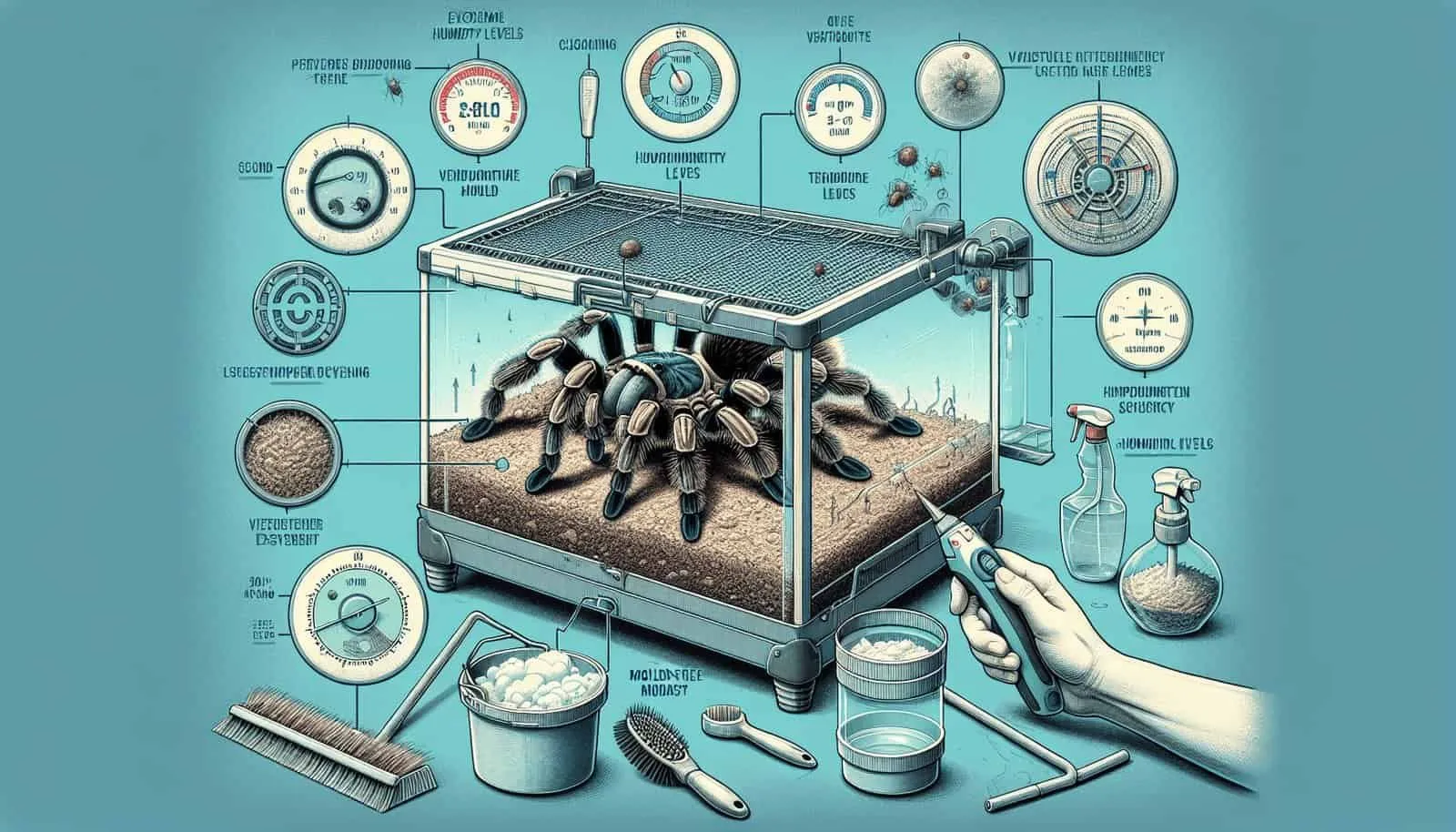
Tarantulas, with their captivating presence, are increasingly popular pets. However, along with the joys of tarantula ownership comes the responsibility of maintaining their health and well-being. One of the most common threats to a tarantula’s health is a mite infestation. These tiny parasites can quickly overrun an enclosure, causing significant stress to your beloved spider. This guide will delve into everything you need to know about preventing mites in your tarantula enclosure, ensuring a healthy and thriving environment for your eight-legged friend. We will explore identifying these unwanted guests, implementing preventive measures, and treating infestations should they occur, so let’s get started on how to prevent mites.
Understanding Tarantula Mites
Before diving into prevention, it’s crucial to understand what tarantula mites are and why they pose a threat. These microscopic arachnids are external parasites that feed on the hemolymph (blood) of tarantulas. They are often introduced into the enclosure through contaminated substrate, live food, or even by hitchhiking on new tarantulas. Mites are not only irritating to the tarantula but can also weaken it, making it more susceptible to other health issues. An uncontrolled infestation can be fatal. Therefore, early detection and proactive measures are key to protecting your pet.
What are Tarantula Mites
Tarantula mites are tiny, often barely visible to the naked eye, parasitic arachnids that thrive in the warm, humid environment of a tarantula enclosure. They are typically reddish-brown or tan in color, but their appearance can vary depending on the species and their stage of development. They are much smaller than the tarantula itself and can quickly multiply, creating a significant problem if not addressed. These mites feed on the tarantula’s hemolymph, which can cause the spider to become weak and stressed. They also cause irritation, and the tarantula may exhibit behaviors like excessive grooming or rubbing against the enclosure walls.
Identifying Mites in Your Tarantula Enclosure

Early detection is critical. Regularly inspect your tarantula and its enclosure for signs of mites. Look closely at the spider’s body, especially around the joints, abdomen, and book lungs. Also, examine the substrate, the walls of the enclosure, and any decorations. Mites often appear as tiny moving specks. A magnifying glass can be helpful for closer inspection. You might see them congregating in certain areas of the enclosure, especially where humidity is higher. Remember that mites can be difficult to spot initially, so a thorough inspection is crucial to effectively prevent mites from infesting the enclosure.
Signs of a Mite Infestation
Besides the presence of visible mites, there are other signs of an infestation. Your tarantula may exhibit restlessness, scratching, or excessive grooming. You might also notice small, red or brown spots on the spider’s body, which are the mites themselves. In severe cases, the tarantula may appear lethargic, lose its appetite, or even refuse to eat. If you observe any of these signs, it’s essential to take immediate action. Taking swift action can prevent the infestation from escalating and causing more harm to your tarantula. Early intervention often makes it easier to manage the situation effectively.
Preventive Measures for Mite Control
Prevention is always better than cure. Implementing preventative measures can significantly reduce the risk of a mite infestation. This includes quarantining new tarantulas, maintaining a clean enclosure, choosing the appropriate substrate, and carefully managing humidity levels. Regular checks and proactive habits are key to creating a safe and healthy environment. By following these guidelines, you can greatly minimize the chances of mites becoming a problem in your tarantula’s habitat.
Quarantine New Tarantulas

When you bring a new tarantula home, quarantine it in a separate enclosure for at least 30-60 days. This allows you to monitor for any signs of mites or other health issues before introducing the spider to your established collection. During quarantine, use disposable materials and thoroughly clean your hands and any tools that come into contact with the new tarantula or its enclosure. This isolation period is vital to prevent the potential spread of mites or any other parasites that may be present. This careful approach protects all your tarantulas from potential health risks.
Maintaining a Clean Enclosure
Regular cleaning is crucial for preventing mites. Spot-clean the enclosure regularly, removing any uneaten food, dead insects, and fecal matter. A thorough cleaning should be done at least once a month, or more frequently if necessary. Replace the substrate, and wash the enclosure with warm water and a mild, reptile-safe disinfectant. Make sure to rinse thoroughly to remove any residue. This regular maintenance helps eliminate potential food sources for mites and disrupts their life cycle. Keeping a clean habitat creates a less favorable environment for these pests.
Appropriate Substrate Selection
The choice of substrate can impact the risk of mite infestations. Avoid substrates that retain excessive moisture, as this creates a favorable environment for mites. Good options include coconut fiber (coco coir), peat moss, and a mix of these with a small amount of vermiculite or sphagnum moss. It’s crucial to ensure the substrate is clean and free of contaminants before use. Replace the substrate regularly, especially if you notice any signs of mites or mold. The appropriate substrate is a key part of maintaining a balanced and healthy environment for your tarantula. The image of substrate selection is relevant to the main topic.
Monitoring Humidity Levels

Proper humidity levels are essential for tarantula health, but excessive humidity can encourage mite infestations. Use a hygrometer to monitor humidity levels and adjust ventilation as needed. The ideal humidity range varies depending on the species, but generally, it should be between 60% and 80%. Ensure good ventilation in the enclosure to prevent excessive moisture buildup. Avoid over-misting, and consider using a dehumidifier if you live in a particularly humid environment. Carefully manage humidity to maintain a healthy environment for your pet tarantula. The image of humidity control is relevant to the main topic.
Introducing Live Food
Live food can sometimes introduce mites into the enclosure. Always source your feeder insects from a reputable supplier and quarantine them before feeding them to your tarantula. You can dust the feeders with a calcium supplement, but avoid overdoing it, as excess powder can contribute to humidity issues. Consider gut-loading your feeder insects with nutritious food to enhance the health of your tarantula. This proactive approach helps minimize the risk of introducing mites into your tarantula’s environment.
Treating a Mite Infestation
Despite your best efforts, a mite infestation might still occur. If this happens, it’s important to act quickly and effectively. The first step is to remove the tarantula and thoroughly clean the enclosure. Various treatment options, from simple cleaning to the use of predatory mites, are available. Prompt action can prevent the infestation from escalating and causing more harm to your tarantula. While it may seem like a complex issue, with the right knowledge, you can get rid of mites and restore your tarantula’s healthy environment.
Removing Your Tarantula

Before treating the enclosure, carefully remove your tarantula and place it in a temporary, mite-free enclosure. This temporary setup should be clean and have fresh substrate, preferably something simple like paper towels, to make it easier to monitor the spider for mites. This separation protects your tarantula from any potentially harmful treatments. When handling your tarantula, wear gloves to avoid spreading mites to other areas. Always handle your tarantula gently and with care during this process.
Cleaning the Enclosure
Thoroughly clean the enclosure. Discard the old substrate and wash the enclosure with warm water and a reptile-safe disinfectant. Pay special attention to all corners and crevices where mites may be hiding. Rinse thoroughly to remove all traces of the disinfectant. Allow the enclosure to dry completely before reassembling it. The image of enclosure cleaning is relevant to the main topic.
Substrate Replacement and Disposal
Once the enclosure is clean, replace the substrate with fresh, mite-free material. Dispose of the old substrate properly, preferably in a sealed bag, to prevent the spread of mites to other areas. Choosing the right substrate will play a vital role in preventing the return of mites. Replace all decorations and any items that were in the enclosure. This will ensure all areas are free from potential mite hosts.
Using Predatory Mites

Predatory mites are a natural and effective way to control a mite infestation. These mites feed on the pest mites, effectively eliminating them. You can purchase predatory mites online or from specialty pet stores. Introduce them into the enclosure following the manufacturer’s instructions. Predatory mites are a safe and environmentally friendly solution for mite control. The image of mite treatment is relevant to the main topic.
Long-Term Mite Prevention
Even after successfully treating a mite infestation, ongoing prevention is essential. Maintaining a clean and healthy environment for your tarantula requires consistent effort. By adhering to proper enclosure maintenance, providing adequate ventilation, and regularly observing your tarantula, you can minimize the risk of future infestations. A proactive approach can ensure your tarantula remains healthy and comfortable.
Regular Enclosure Maintenance
Continue to regularly clean and maintain the enclosure. Spot-clean as needed and perform a thorough cleaning at least once a month. Replace the substrate periodically, and always use fresh, high-quality materials. Regular maintenance is fundamental for preventing mite infestations and maintaining a healthy habitat. The image of a healthy tarantula is relevant to the main topic.
Proper Ventilation

Ensure that the enclosure has adequate ventilation. Proper airflow helps to prevent excessive humidity, which can contribute to mite infestations. Make sure the enclosure has proper ventilation holes and avoid overcrowding the enclosure. This measure plays a key role in keeping humidity levels at bay and promoting the overall well-being of the tarantula. The image of ventilation is relevant to the main topic.
Observing Your Tarantula
Regularly observe your tarantula for any signs of mites or other health issues. Look for changes in behavior, appetite, or appearance. Early detection is key to preventing a mite infestation from escalating. Conduct regular inspections of your tarantula and its environment. This active approach helps you stay ahead of potential problems and maintain a healthy habitat.
When to Seek Expert Help
If you are struggling to control a mite infestation, or if your tarantula’s health is declining, don’t hesitate to seek expert help. Consult with a veterinarian or a reptile specialist who has experience with tarantulas. They can provide you with guidance and recommend appropriate treatments. Taking professional advice is particularly important if the infestation is severe or if you are unsure of the best course of action. Professional help can also help diagnose any underlying issues and give you an opportunity to learn more about the care of your tarantula. This ensures your tarantula’s health is always prioritized.
Preventing mites in your tarantula enclosure requires a combination of vigilance, proper husbandry practices, and swift action when necessary. By understanding what tarantula mites are, implementing preventive measures, and knowing how to treat an infestation, you can create a healthy and thriving environment for your pet tarantula. Remember, consistency and attention to detail are key to ensuring the long-term well-being of your eight-legged companion.