What is a Tarantula Hawk Wasp
The tarantula hawk wasp, a formidable creature of the insect world, earns its name from its hunting habits targeting tarantula spiders. This wasp is not only known for its dramatic behavior but also for the excruciating pain associated with its sting. Found primarily in the southwestern United States, these wasps are a fascinating subject of study due to their complex life cycle and ecological role. They are solitary wasps, meaning they do not live in colonies like bees or other social wasps. Instead, each female is a self-sufficient hunter and parent. Their presence in an ecosystem is a testament to the biodiversity and the often-unseen interactions that shape our natural world. While not commonly sought after as pets, their intriguing biology makes them a subject of fascination for entomologists and nature enthusiasts.
Appearance and Characteristics
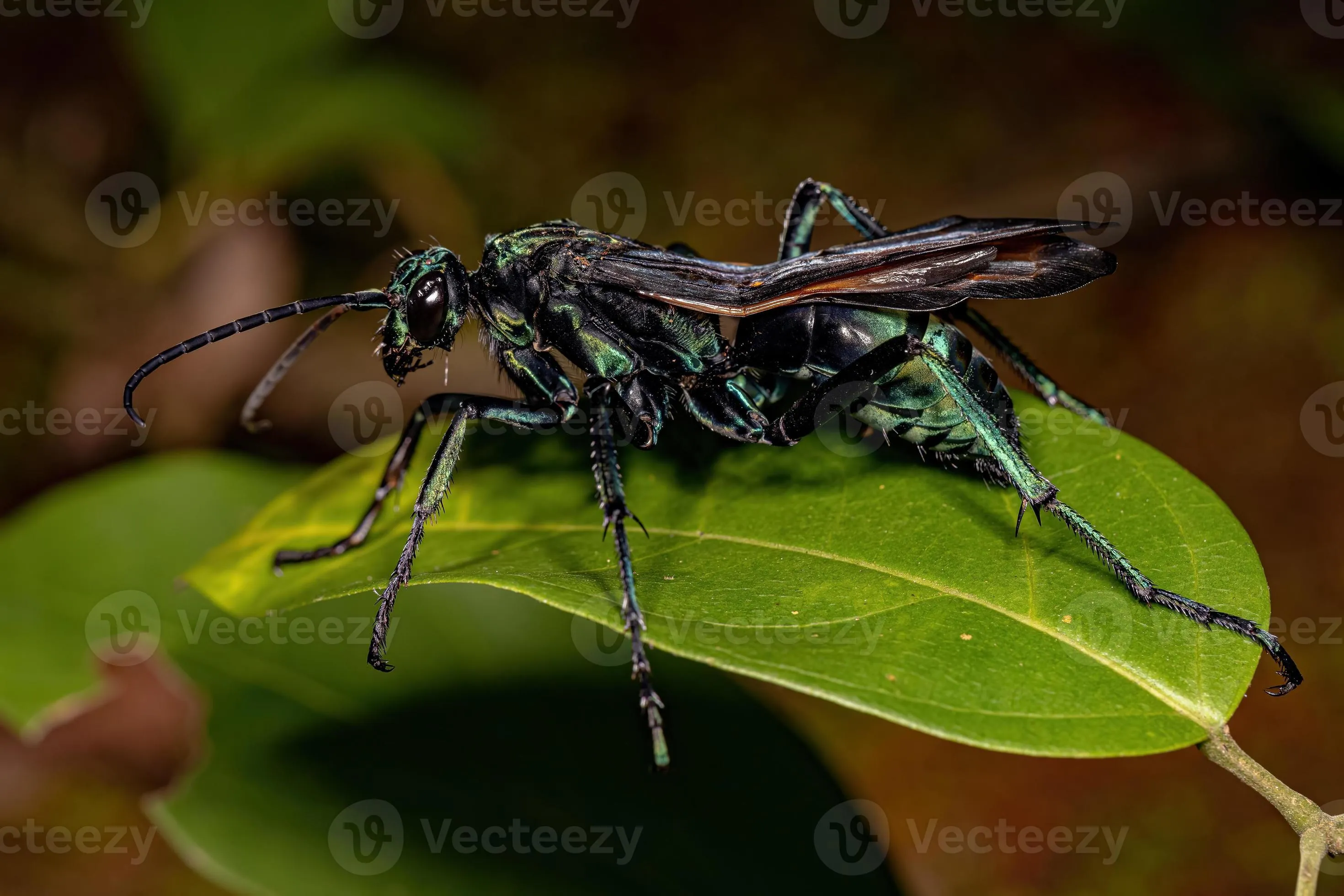
Tarantula hawk wasps are striking insects, typically boasting a metallic blue-black body and wings that range in color from orange to rusty red. The contrasting colors serve as a warning to potential predators, signaling the potent sting they possess. Females are considerably larger than males, a common trait among wasps, and can measure up to two inches in length. Their powerful legs are designed for digging, essential for their nesting behavior. The antennae are long and slender, used to detect pheromones and locate prey. The overall appearance of these wasps showcases the beauty and danger found in the insect world. These wasps are a testament to the elegance of nature’s design, adapted to survive in some of the harshest environments.
Habitat and Distribution

These wasps are primarily found in the arid and semi-arid regions of the southwestern United States, including states like Arizona, New Mexico, and Texas. They are also found in parts of South America. Their habitat preference is closely tied to the presence of their primary prey, tarantula spiders. This preference influences their distribution across varied landscapes, from deserts to scrublands. The wasps are well-adapted to survive in these hot and often dry climates, showcasing remarkable resilience. They are active during the warmer months, from spring through the late fall. Understanding their habitat helps in appreciating their role within these ecosystems. Their presence indicates a healthy population of tarantulas, thereby acting as a natural control mechanism for the spider population.
Key Facts About Tarantula Hawk Wasps
Their Painful Sting
The sting of the tarantula hawk wasp is renowned for its intensity, often cited as one of the most painful insect stings in the world. The pain is immediate and excruciating, often described as causing a paralyzing effect. The pain is not life-threatening, but the sting can be a terrifying experience. The intensity of the sting is one of the reasons why these wasps are treated with such respect. Their sting is not usually a defense mechanism against humans. The wasps only sting when provoked. The pain usually subsides after a few minutes, but the experience is long remembered. This remarkable characteristic underscores the importance of respecting and understanding these fascinating creatures.
Their Diet and Hunting Habits

The tarantula hawk wasp’s diet primarily consists of nectar and the bodies of tarantulas, which serve as a food source for their larvae. The hunting behavior of these wasps is a marvel of the natural world. The female wasp searches for a tarantula, then engages in a dramatic battle. Once she has subdued the spider, she stings the tarantula to paralyze it. She then drags the spider to her burrow or nest, where she lays a single egg on the tarantula’s abdomen. Once the egg hatches, the larva feeds on the paralyzed spider. The larva consumes the spider slowly, keeping it alive as long as possible to ensure fresh food supply. This behavior is a testament to the efficiency and brutality of nature.
Their Life Cycle
The life cycle of a tarantula hawk wasp is a fascinating example of parasitism. The female wasp digs a burrow in the ground where she will stash the paralyzed tarantula and the egg. After the egg hatches, the larva feeds on the spider, growing and molting as it consumes its host. The larva then spins a cocoon and pupates, undergoing metamorphosis to transform into an adult wasp. The duration of the life cycle varies depending on environmental conditions but can take several months. The adult wasp emerges from the cocoon, ready to mate and continue the cycle. The cycle is a prime example of the complex relationships found in nature.
Can You Buy Tarantula Hawk Wasps
Legality and Ethical Considerations

The sale of tarantula hawk wasps is rare and often raises legal and ethical concerns. Due to their potent sting, it is difficult to keep these wasps safely. Also, there are conservation considerations, as the removal of such creatures from the wild can disrupt the ecosystem. In most regions, there are no specific laws that prohibit the possession of these wasps. However, it is crucial to consider the ethical implications of owning a creature that could cause severe pain. Furthermore, purchasing wild animals can increase the risk of disease transmission and disrupt natural populations. Therefore, if you are considering whether to buy these insects, you should research the applicable laws and consider the ethical ramifications.
Where to Find Tarantula Hawk Wasps
Finding tarantula hawk wasps for sale is difficult. They are not typically offered by pet stores or online vendors due to the challenges of care and safety concerns. If you are interested in observing these wasps, the best approach is to observe them in their natural habitat. Researching the locations of their habitats is a good start. Engaging with local entomological societies or experts can provide insights into areas where you are likely to see these fascinating creatures. Furthermore, there are some online sources and research institutions that might offer them. Be aware of the associated risks if you were to find one.
Caring for Tarantula Hawk Wasps
Their Natural Behavior

Understanding the natural behavior of tarantula hawk wasps is crucial for appreciating their role in the ecosystem. These wasps are solitary creatures. They live a largely independent life. The females are responsible for hunting and reproduction, while males are mainly focused on mating. The wasps are active during the day, especially in warm weather, and they are known to be quite active. They are essential pollinators because of their diet of nectar. Recognizing and respecting these aspects of their nature is essential for understanding the species and observing their behaviors.
Safety Precautions
If you encounter a tarantula hawk wasp, it is essential to maintain a safe distance. Avoid any sudden movements that could provoke the wasp. Never attempt to handle or disturb the wasp, as this is likely to trigger a sting. If you are stung, seek medical attention immediately, as the sting can cause intense pain. It is vital to be aware of the risks and the need for safety. If you find a nest, notify local authorities or experts instead of trying to handle the situation. The safety of both yourself and the wasp is of utmost importance.