Understanding the Curly Hair Tarantula (Grammostola pulchra)
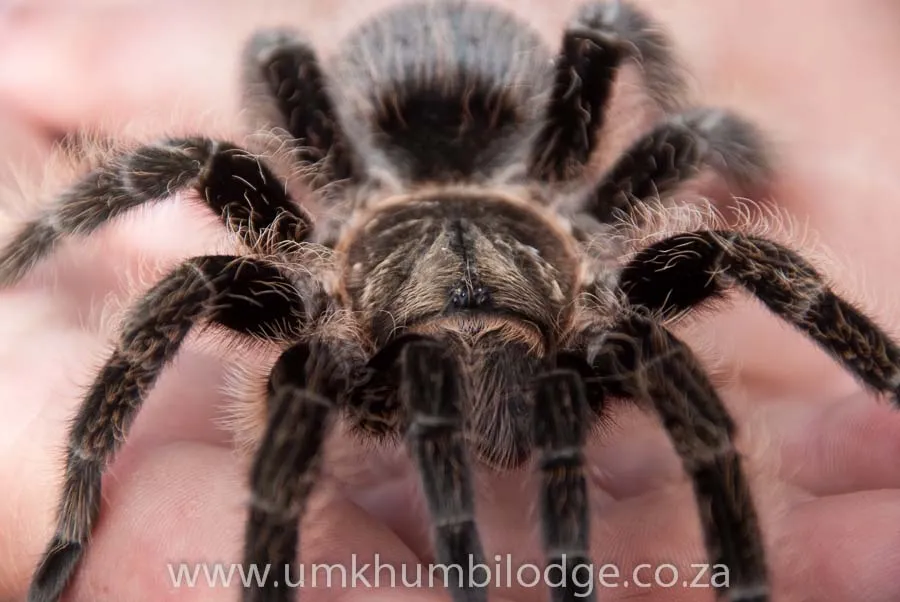
The Curly Hair Tarantula, scientifically known as Grammostola pulchra, is a popular species among tarantula enthusiasts. Native to the grasslands of Central America, these captivating arachnids are known for their docile temperament and striking appearance. Their bodies are covered in dark brown to black hairs, with characteristic reddish-brown ‘curly’ hairs on their legs, which give them their common name. This species is relatively slow-growing, making them a long-term commitment for any pet owner. Understanding their natural history and behaviors is crucial for providing optimal care, ensuring a healthy and thriving pet. They are relatively easy to care for, making them a great choice for beginner tarantula keepers. However, like all pets, proper care is essential for their well-being.
Origin and Habitat
Curly Hair Tarantulas originate from the grasslands and scrublands of Central America, specifically in countries like Costa Rica, Panama, and Nicaragua. In their natural habitat, they live in burrows they create in the ground, providing them with shelter from the elements and protection from predators. The environment is characterized by a moderate climate with distinct wet and dry seasons. Understanding their natural habitat is essential for replicating it in captivity. This knowledge allows you to provide the appropriate enclosure setup, temperature, humidity, and overall environment that mimics their natural surroundings, which helps minimize stress and promote their well-being in your home. Learning about their natural habitat will help you be successful with your new pet.
Appearance and Characteristics

The Curly Hair Tarantula is easily recognizable by its dark brown to black coloration and distinctive reddish-brown curly hairs on its legs and body. These ‘curly’ hairs are not only aesthetically pleasing but also serve a defensive purpose. When threatened, the tarantula can flick these urticating hairs towards predators, causing irritation. They are relatively large tarantulas, with females often reaching a leg span of up to 6 inches or more, while males are typically smaller. Their overall appearance is quite appealing, and their relatively docile nature makes them a favorite among tarantula keepers. The overall health can be determined by their color, activity, and the condition of their exoskeleton.
Creating the Ideal Curly Hair Tarantula Habitat
Creating the ideal habitat is paramount to the health and happiness of your Curly Hair Tarantula. The setup should mimic their natural environment as closely as possible to reduce stress and encourage natural behaviors. This includes selecting the right enclosure, providing a suitable substrate, and maintaining the correct temperature and humidity levels. A well-designed habitat not only provides a comfortable living space for your tarantula but also allows you to observe its behavior and enjoy the fascinating world of these arachnids. It is very important to make sure that everything is correct to ensure they are living the best life they can have in captivity.
Choosing the Right Enclosure
The enclosure should be appropriately sized, allowing your tarantula to move comfortably without feeling cramped. A good rule of thumb is to choose an enclosure that is at least three times the tarantula’s leg span in length and width. For a juvenile, a smaller enclosure is fine. The enclosure should also have a secure lid to prevent escapes. Glass or acrylic terrariums are suitable choices, offering clear visibility and allowing for easy observation. Make sure the enclosure is escape-proof, as tarantulas are surprisingly adept at finding their way out. Ventilation is crucial, so ensure there are adequate ventilation holes to allow for air circulation. Remember to consider the tarantula’s size and growth rate when selecting the enclosure, as you may need to upgrade to a larger one as it grows.
Substrate and Furnishing

The substrate is the base layer of the enclosure and serves multiple purposes, including providing a comfortable surface for the tarantula to walk on, retaining humidity, and allowing the tarantula to burrow if it chooses. A substrate mix of coco fiber, peat moss, and a small amount of vermiculite works well for Curly Hair Tarantulas. This mixture holds moisture well, which is essential for maintaining the proper humidity levels. Provide a depth of at least 4-6 inches of substrate to allow the tarantula to burrow. Furnish the enclosure with a hide, such as a cork bark or half log, to provide a secure retreat. Adding a water dish and a few artificial or live plants will also enhance the enclosure and offer enrichment. Ensure the decor is secured to prevent it from falling and potentially harming the tarantula.
Maintaining Temperature and Humidity
Maintaining the correct temperature and humidity levels is vital for the health and well-being of your Curly Hair Tarantula. The ideal temperature range is between 75-85°F (24-29°C). You can use a heat mat or a low-wattage incandescent bulb to provide supplemental heat if needed. Place the heat source on the side of the enclosure, not directly underneath, to prevent overheating. Humidity levels should be maintained between 65-75%. You can monitor the humidity with a hygrometer and increase humidity by lightly misting the enclosure with water a few times a week. Ensure that the enclosure is well-ventilated to prevent the buildup of mold and mildew. Proper temperature and humidity will help your tarantula thrive. Ensure the enclosure isn’t in direct sunlight as this can cause overheating.
Feeding Your Curly Hair Tarantula
Feeding your Curly Hair Tarantula is a straightforward process, but it’s important to understand their dietary needs to ensure they receive proper nutrition. These tarantulas are opportunistic predators and will eat a variety of insects. Offering the appropriate food and frequency will keep your tarantula healthy. Providing a well-balanced diet is essential to the overall health and well-being of your tarantula, and the following information will help you with your care.
Diet and Frequency

The primary diet of a Curly Hair Tarantula consists of insects. Crickets, mealworms, and roaches are common and readily available options. The size of the prey should be appropriate for the tarantula’s size; generally, the prey should be no larger than the tarantula’s body. For juvenile tarantulas, feed them two to three times a week. Adults can be fed once a week or every other week, depending on their size and appetite. It’s important to remove any uneaten prey after 24 hours to prevent stress on the tarantula and to avoid the risk of the prey harming the tarantula. Always gut-load the insects with nutritious food before feeding them to your tarantula to provide a more balanced diet. Supplementing with calcium and vitamins is usually unnecessary if you are feeding a varied diet of appropriately sized insects.
Watering and Hydration
Providing a constant source of fresh water is crucial for your tarantula’s hydration. Use a shallow water dish that is easily accessible and cannot be tipped over. Ensure the water dish is cleaned regularly to prevent bacterial growth. For smaller tarantulas, you can provide water by misting the enclosure lightly every few days. This will allow them to drink the droplets that form. Do not over mist, as this can lead to excessive humidity and potential health issues. Always use dechlorinated water. Observe your tarantula to ensure it is drinking and staying hydrated, especially during molting, as they need more moisture during this time.
Handling and Safety Tips
While Curly Hair Tarantulas are known for their docile nature, handling them should be approached with caution and respect. They are not typically aggressive, but they can bite if they feel threatened. Understanding their behavior and following safe handling practices will protect both you and your tarantula. It’s important to always handle your tarantula gently and avoid sudden movements. Observe your tarantula’s behavior before handling it; if it appears stressed or defensive, it’s best to leave it alone. Keeping a safe distance and not stressing your tarantula is very important to its health.
Safe Handling Practices

If you choose to handle your tarantula, do so with caution and on a soft surface, such as a bed or couch, to prevent injury if it falls. Always wash your hands before and after handling your tarantula. Approach the tarantula slowly and gently, allowing it to walk onto your hand. Avoid grabbing or startling it, as this can provoke a defensive response. Never handle your tarantula if you are feeling unwell, as this can make you less aware of its behavior. If you have other pets, keep them away during handling to avoid any potential issues. Be mindful of the tarantula’s movements and never leave it unattended while handling. Always supervise children when handling tarantulas to ensure they understand the importance of gentle care.
Recognizing Signs of Stress or Illness
It is important to recognize signs of stress or illness in your Curly Hair Tarantula so you can take appropriate action promptly. Look for behavioral changes, such as a refusal to eat, a lack of activity, or excessive burrowing. Physical signs to watch for include loss of appetite, and curled legs. Check for any discoloration or unusual bumps. If your tarantula shows signs of illness, it’s important to seek professional advice from a veterinarian or an experienced tarantula keeper. Ensure the environment is suitable, food is available and there is adequate water. Providing a healthy habitat will decrease any stress your tarantula might have.
Common Health Issues
Curly Hair Tarantulas, like any pet, can experience health issues. Some common issues include parasites, fungal infections, and dehydration. Proper care and a clean habitat can help prevent these problems. Parasites, such as mites, can be detrimental to the tarantula’s health and are typically introduced through new substrate or prey. Fungal infections can occur in environments that are too humid or lack adequate ventilation. Dehydration can result from a lack of access to fresh water or insufficient humidity. Keep the enclosure clean and appropriately humid, and make sure fresh water is always available. Regular observation and proper care can help prevent these issues.
Molting Process
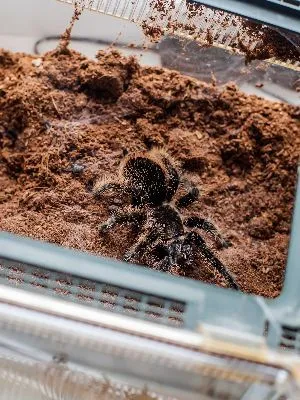
Molting is a natural process where tarantulas shed their exoskeletons to grow. This process can be fascinating and requires careful attention. The frequency of molting depends on the tarantula’s age and growth rate. Young tarantulas molt more frequently than adults. Providing a suitable environment and avoiding disturbance during the process is critical to ensure a successful molt. The molting process is an exciting part of owning a tarantula and watching the process is a rewarding experience. The process is usually safe and successful with the proper care and environment.
What to Expect During Molting
Before molting, the tarantula will often become less active and may refuse food. You might notice a color change as the new exoskeleton forms underneath the old one. The tarantula will typically lie on its back during the molting process. Avoid disturbing the tarantula during molting, as stress can interfere with the process. Molting can take several hours. Once the molting is complete, the tarantula will be very vulnerable. It is very important to keep the tarantula safe while it is molting. After the molt, the tarantula’s new exoskeleton will be soft. Give the tarantula a few days to harden before offering food. The whole process, from start to finish, can take anywhere from a few days to a few weeks, depending on the tarantula’s size and the environment.
Post-Molting Care
After molting, the tarantula will be vulnerable and its new exoskeleton will be soft. Do not disturb the tarantula and wait a few days for the exoskeleton to harden before attempting to feed it. Offer food gently, and monitor its appetite. Ensure fresh water is always available. After the tarantula’s exoskeleton has fully hardened, it will resume its normal activities. Provide extra care and attention during this period, and avoid any unnecessary handling. The post-molt period is a time of recovery and growth, so providing a comfortable and stress-free environment will promote its well-being.
Conclusion

Caring for a Curly Hair Tarantula can be a rewarding experience for any pet owner. By providing a suitable habitat, proper nutrition, and understanding their unique needs, you can ensure a healthy and happy life for your tarantula. Remember to always prioritize their safety and well-being, and be prepared to learn and adapt as you get to know your pet. With the right care and attention, your Curly Hair Tarantula will thrive, providing you with years of enjoyment. Always be sure to continue your research and consult with experienced keepers to learn the best practices for caring for these fascinating creatures. Enjoy the journey of tarantula ownership!