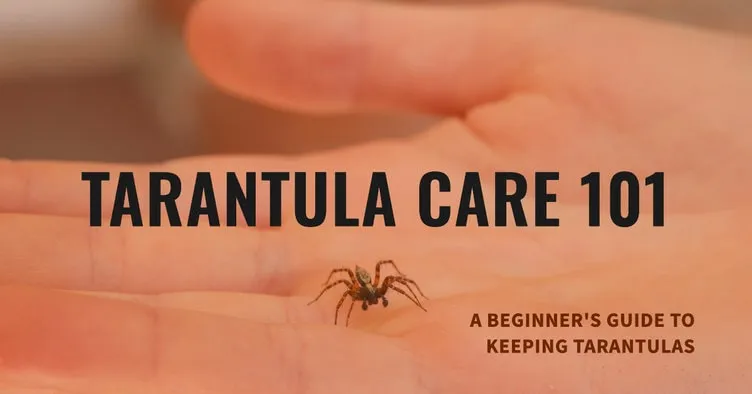
Embarking on the journey of tarantula ownership can be an incredibly rewarding experience. These fascinating creatures, with their diverse colors, sizes, and behaviors, offer a unique perspective on the world of pets. However, responsible tarantula care for beginners requires understanding their specific needs to ensure their health and well-being. This guide provides a comprehensive overview of tarantula care, focusing on essential aspects such as choosing the right species, setting up their habitat, feeding, handling, and addressing common health concerns. By following these guidelines, you’ll be well-equipped to provide a safe and enriching environment for your new eight-legged friend, fostering a long and enjoyable relationship.
Choosing Your First Tarantula
Selecting the right tarantula species is the first crucial step in ensuring a positive experience. Certain species are significantly more docile, less prone to defensive behaviors, and generally more adaptable to captive environments, making them ideal choices for beginners. Researching different species and understanding their temperament, size, and care requirements is paramount before bringing a tarantula home. Consider factors such as your experience level, the amount of time you can dedicate to their care, and your personal preferences. By choosing a species that aligns with your capabilities and lifestyle, you’ll set the foundation for a successful and enjoyable tarantula-keeping journey.
Popular Beginner Tarantula Species
Several tarantula species are renowned for their docile temperaments and ease of care, making them perfect for beginners. These species typically exhibit less defensive behavior, are relatively hardy, and can tolerate minor fluctuations in their environment. They also tend to be more forgiving of occasional mistakes, which is a significant advantage for novice keepers. However, it’s essential to remember that individual tarantula personalities can vary, and proper research remains key. Here are a few popular choices, each with unique characteristics that can help you choose the perfect fit for your home.
Mexican Red Knee Tarantula

The Mexican Red Knee (Brachypelma hamorii), is one of the most iconic and sought-after tarantulas in the pet trade. Known for their striking coloration, featuring black and orange bands on their legs, these tarantulas are typically docile and relatively slow-moving. They are also quite hardy, making them forgiving of minor care errors. These spiders are known for their longevity, with females capable of living for over 20 years. Their relatively large size and striking appearance make them a captivating addition to any collection, making them a great option for beginners willing to invest the time in proper care.
Chilean Rose Hair Tarantula
The Chilean Rose Hair (Grammostola rosea), is another excellent choice for beginners due to their docile temperament and easy care requirements. Their appearance is less dramatic than some other species, with a more subdued coloration of browns and pinks. They are known for being incredibly hardy, and they are often considered one of the most beginner-friendly tarantulas available. They are also quite adaptable, and can tolerate a wider range of environmental conditions compared to other species. Chilean Rose Hairs are often more affordable, making them an accessible option for those just starting out. Their relatively slow growth rate also means that they don’t outgrow their enclosures as quickly as some other species.
Other Beginner-Friendly Options
Besides the Mexican Red Knee and Chilean Rose Hair, other species can be suitable for beginners. The Costa Rican Zebra (Aphonopelma seemanni) is a good option, known for their relatively calm nature and striking black and white striped legs. Another choice includes the Curly Hair tarantula (Tliltocatl albopilosus), known for their docile demeanor and fluffy appearance, the Curly Hair tarantula is another great option. Always do your research on any species before bringing one home, ensuring you understand its specific needs and temperament.
Setting Up the Perfect Tarantula Enclosure

Creating the ideal habitat is critical for your tarantula’s well-being. A well-designed enclosure mimics their natural environment, providing essential elements like proper temperature, humidity, and a sense of security. The right setup minimizes stress and promotes healthy behaviors. The size, substrate, and decor all play crucial roles in providing the spider with a comfortable and safe home. Careful attention to detail is essential, so your tarantula thrives in its new environment. Remember that the enclosure is where your tarantula will spend its entire life in captivity, so providing the best possible environment is a key aspect of responsible care.
Choosing the Right Size and Type of Enclosure
The size of the enclosure is paramount. It should be large enough for the tarantula to move around comfortably but not so large that it feels overwhelmed or insecure. A general guideline is to provide an enclosure that is at least twice the tarantula’s leg span in length and width, with the height being sufficient to accommodate the substrate and any decor. Consider the species’ adult size when choosing an enclosure. For example, terrestrial species, which live on the ground, generally do well in wider enclosures, whereas arboreal species, which live in trees, need enclosures that are taller. Make sure the enclosure is escape-proof, with a secure lid, as tarantulas are adept at finding their way out. Acrylic or glass enclosures are common choices, with acrylic being lighter and less prone to shattering.
Substrate Selection and Depth
The substrate, or bedding, is another essential element. It provides a comfortable surface for the tarantula to walk on, burrow in (for terrestrial species), and helps regulate humidity. The depth of the substrate depends on the species. Terrestrial tarantulas often appreciate several inches of substrate to allow for burrowing. A good substrate mix typically includes a combination of materials, such as coco coir, peat moss, and vermiculite. Avoid using materials like cedar or pine shavings, which can be toxic to tarantulas. The substrate should be kept slightly moist but not waterlogged. This helps to maintain appropriate humidity levels. Monitor the substrate regularly and replace it if it becomes excessively dirty or moldy to maintain a healthy environment.
Temperature and Humidity Control

Tarantulas are ectothermic, meaning they rely on external sources for heat regulation. The enclosure temperature should be maintained within a specific range depending on the species. Most tarantulas thrive in temperatures between 75-85°F (24-29°C). Using a thermometer is crucial for monitoring the temperature, which can be achieved through the use of a heat mat or a small reptile heat lamp. Humidity is also important, and levels should be monitored using a hygrometer. The required humidity varies by species. Generally, misting the enclosure regularly and providing a shallow water dish can help maintain appropriate humidity. Avoid placing the enclosure in direct sunlight or near heat sources, which can lead to overheating. Consistent monitoring and adjustments are key to maintaining optimal environmental conditions.
Essential Enclosure Decorations
Decorations provide enrichment and security for your tarantula. Hides are essential, as they allow the tarantula to retreat and feel safe. Cork bark, artificial plants, and even overturned pots can serve as effective hides. The decor should be non-toxic and free of sharp edges that could injure the tarantula. Ensure the decor is secure and cannot fall over, potentially crushing the spider. The decorations should also allow for proper ventilation. When designing the enclosure, consider the species’ natural behaviors. Arboreal species appreciate vertical climbing structures. Terrestrial species may prefer more ground-level decorations and burrowing areas. Adding a water dish is a must, providing a constant source of fresh water.
Feeding Your Tarantula
Proper feeding is vital for your tarantula’s health and growth. Tarantulas are opportunistic predators, and they eat a variety of insects. The type, size, and frequency of feeding are all important factors to consider. Overfeeding can be just as detrimental as underfeeding, and understanding your species’ specific needs is critical for optimal care. Observe your tarantula’s behavior and adjust feeding practices accordingly, monitoring its overall health and appearance. Providing a balanced diet and ensuring proper hydration are essential. A well-fed tarantula will exhibit a healthy appetite, good growth, and vibrant coloration. Feeding is a fundamental aspect of tarantula care, and mastering this aspect will ensure a thriving, happy spider.
What to Feed Your Tarantula

The primary food source for tarantulas consists of insects, with crickets, mealworms, and roaches being common choices. The best insects are those that are gut-loaded, meaning they’ve been fed a nutritious diet themselves before being offered to your tarantula. This provides the tarantula with essential vitamins and minerals. The size of the prey should be appropriate for the tarantula, generally no larger than the tarantula’s body size. Avoid feeding wild-caught insects, as they may carry parasites or pesticides. The availability of insect food varies depending on your location, and you may need to source them from local pet stores or online suppliers. Variety is key; mixing up the types of insects you offer can contribute to a more balanced diet. Ensure that any uneaten food is removed from the enclosure after 24 hours to prevent mold and mites.
Feeding Frequency
The feeding frequency depends on the tarantula’s age, size, and metabolism. Spiderlings (young tarantulas) require more frequent feedings, usually every few days. As they grow, the feeding frequency can be reduced. Adult tarantulas may only need to be fed once or twice a week, or even less frequently. Observe your tarantula’s abdomen; a well-fed tarantula will have a plump abdomen. If the abdomen appears too thin, increase the feeding frequency. It is also important to consider the tarantula’s pre-molt behavior. Tarantulas typically stop eating before they molt. Avoid feeding your tarantula if it appears to be preparing to molt. Never force-feed a tarantula.
Watering and Hydration
Providing fresh water is essential for your tarantula’s survival. Always provide a shallow water dish, filled with clean water, so the tarantula can drink as needed. The water dish should be shallow enough to prevent the tarantula from drowning. For smaller spiderlings, use a bottle cap or a cotton ball saturated with water. Regularly check and refill the water dish. In addition to the water dish, some species also benefit from occasional misting of their enclosure, especially if the humidity is low. Mist the enclosure lightly, avoiding direct spraying of the tarantula. This helps maintain humidity levels and provides a source of water. Remember, a hydrated tarantula is a healthy tarantula, and water is as vital as food.
Handling and Safety

While tarantulas are generally not aggressive, handling them should be approached with caution. It is not always necessary, or even recommended, to handle a tarantula. However, if you choose to handle it, it’s important to understand the risks involved and follow safety protocols. The potential for bites and the tarantula’s fragility are significant concerns. Proper handling techniques and a thorough understanding of your tarantula’s behavior can minimize the risk of injury to both you and the spider. Always prioritize the tarantula’s well-being and create a safe environment for interaction. Being informed is key to enjoying the unique experience of tarantula ownership.
When to Handle and When to Avoid It
Handling should be kept to a minimum, especially for beginners. Many tarantulas are perfectly content without being handled. Avoid handling your tarantula if it appears stressed, such as raising its front legs or displaying other defensive postures. The best time to handle a tarantula is when it appears calm and relaxed. It’s important to avoid handling a tarantula immediately after feeding or before molting. Handling can also be stressful for tarantulas and increase the risk of accidental injury. Some tarantulas are naturally more docile and tolerant of handling than others. Observe your tarantula’s behavior and adjust your handling practices accordingly. For arboreal species, handling can be especially risky because of the height.
Safety Precautions When Handling
If you choose to handle your tarantula, always do so in a controlled environment, such as close to the ground or over a soft surface, in case it falls. Never handle a tarantula if you are distracted or in a hurry. Always wash your hands thoroughly before and after handling to avoid transferring any contaminants. Move slowly and deliberately, avoiding sudden movements. Allow the tarantula to walk onto your hand rather than picking it up. If the tarantula starts to show signs of stress, such as flicking hairs or raising its fangs, gently put it back in its enclosure. Be aware of the tarantula’s urticating hairs, which can cause skin irritation. Avoid rubbing your eyes or touching your face after handling. Be patient and respect the tarantula’s space, as this can minimize the risk of an unpleasant encounter.
Recognizing and Addressing Common Health Issues

Like any pet, tarantulas can experience health problems. Knowing how to identify and address these issues is crucial for providing the best care. Understanding the moulting process, recognizing signs of illness or injury, and taking prompt action when needed can prevent serious health complications. Observing your tarantula’s behavior, appearance, and eating habits are important parts of responsible tarantula keeping. Regular monitoring, along with a basic knowledge of tarantula health, ensures you’ll be able to give your pet the best quality of life. Being proactive in caring for your tarantula will allow you to enjoy their company for many years.
Moulting Process and What to Expect
Moulting, or shedding, is a natural process that allows tarantulas to grow and replace their exoskeletons. This process can be stressful for the spider, and it’s important to avoid disturbing it during this time. Prior to moulting, your tarantula will typically stop eating and may become inactive. It may also turn over on its back. The moult itself can take several hours. Afterwards, the tarantula will be soft and vulnerable for several days. During the molting process, maintain the usual humidity and temperature, and avoid handling the tarantula. After the new exoskeleton has hardened, the tarantula will resume eating. The frequency of moulting depends on the tarantula’s age, with younger tarantulas moulting more frequently than adults. Never attempt to interfere with the moulting process, as this could seriously harm your spider.
Signs of Illness and Injury
Being able to recognize signs of illness or injury is essential for prompt treatment. Lethargy or lack of appetite can be indicators of a problem. Other signs may include a swollen abdomen, difficulty moving, or discharge. If your tarantula is showing any of these signs, it’s important to seek advice from a veterinarian or experienced tarantula keeper. Injuries can include damaged legs or fangs. If the injury is minor, the tarantula may recover on its own during its next molt. Serious injuries require professional care. Providing proper husbandry and maintaining a clean environment can reduce the risk of illness and injury. Early intervention is key to ensuring your tarantula’s health and well-being.
Maintaining a Healthy Tarantula

Caring for a tarantula can be a rewarding experience. By understanding their needs, providing a proper habitat, and monitoring their health, you can ensure that your tarantula thrives. Remember to research the specific needs of your chosen species and adapt your care practices accordingly. Always prioritize the tarantula’s well-being and handle it with respect. Regularly check the enclosure for cleanliness and maintain the appropriate environmental conditions. By following the guidelines in this guide, you can provide your tarantula with a long, healthy, and fulfilling life. The journey of tarantula ownership is a learning experience. Enjoy your time with your fascinating pet, and continue to learn and grow as a tarantula keeper.