5 Stunning Facts About the Ornate Tarantula
The Ornate Tarantula, scientifically known as Poecilotheria ornata, is a fascinating and visually striking spider that captivates arachnid enthusiasts worldwide. This arboreal tarantula, native to Sri Lanka, boasts a unique blend of beauty and complex behaviors. This article delves into five stunning facts about the ornate tarantula, exploring its appearance, habitat, behavior, and life cycle. Discover what makes this species such a prized addition to any tarantula collection and the captivating mysteries of its existence. Prepare to be amazed by the beauty and intricacies of Poecilotheria ornata, a creature that perfectly embodies the wonders of the natural world. Get ready to explore the world of this incredible species and uncover the secrets that make it so special and unique.
Appearance and Identification
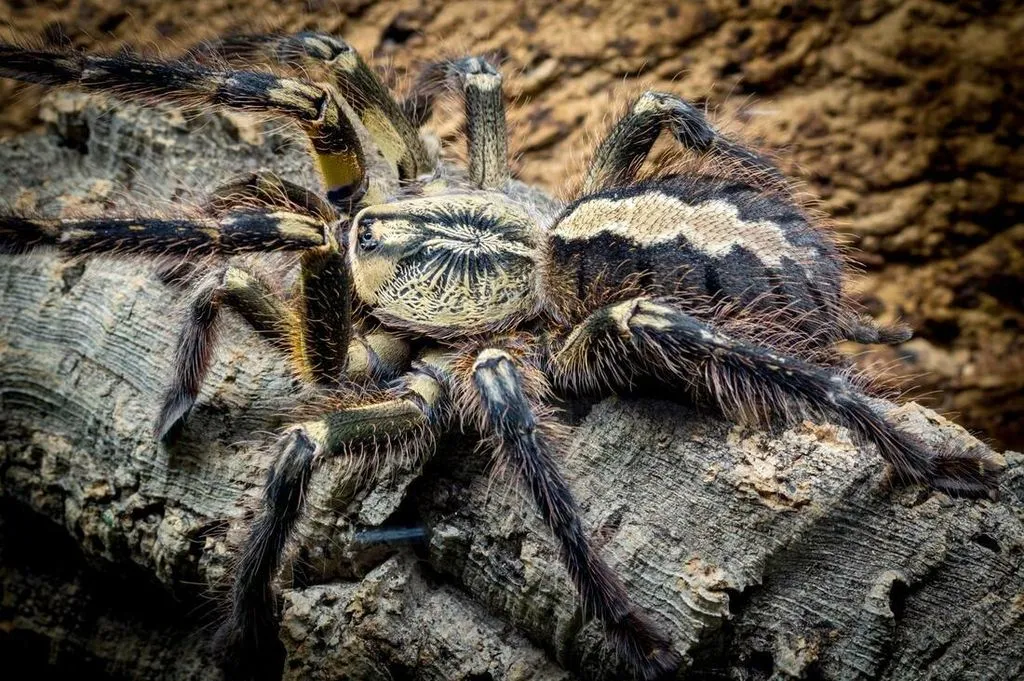
The ornate tarantula is easily identified by its striking coloration and intricate patterns. Its beauty is one of its most defining features. The spider’s body typically displays a base color of dark brown or black, providing a dramatic backdrop for the vivid yellow or orange markings that adorn its legs and carapace. The unique patterns on each individual spider are a hallmark of the species, making each tarantula visually distinct. The contrast between the dark body and the bright markings creates a stunning aesthetic, immediately catching the eye of anyone who encounters it. Detailed observation reveals intricate patterns that are almost artistic in their complexity. These patterns are a key element in the ornate tarantula’s identification, ensuring that enthusiasts can readily distinguish it from other species. The overall presentation of these tarantulas makes it an undeniably attractive species.
Distinctive Coloration

The vibrant yellow and orange markings on the ornate tarantula’s legs and carapace are not merely decorative; they likely play a role in both camouflage and communication. The bold colors serve to disrupt the tarantula’s outline, blending it into the complex patterns of its arboreal habitat. The patterns can vary slightly from one individual to another, offering a personalized touch. The high-contrast color scheme provides an effective camouflage against the backdrop of tree bark and foliage. Additionally, the coloration may signal to potential predators or rivals. The intricate patterns on their bodies serve as a signal, communicating information to potential mates or adversaries. The brilliant, eye-catching colors highlight the unique elegance of this tarantula.
Size and Growth
Ornate tarantulas are considered a medium to large species, with females generally being larger than males. Adult females can reach a leg span of up to 8 inches (20 cm), while males are usually slightly smaller. These spiders go through a series of molts as they grow, shedding their exoskeleton to accommodate their increasing size. The molting process is crucial for their development. During each molt, the tarantula reveals brighter colors and more intricate patterns. The frequency of molting decreases as the spider matures, but it is a vital process for their growth and overall health. Proper care, including appropriate humidity and nutrition, is essential to support their growth and ensure healthy molting cycles. Watching a tarantula grow and transform during each molt is one of the most rewarding aspects of owning this species.
Habitat and Natural Range
The ornate tarantula is native to the tropical forests of Sri Lanka, where it inhabits trees and other elevated areas. These spiders are well-adapted to an arboreal lifestyle, spending most of their time in the canopy. They require specific environmental conditions to thrive, including high humidity and temperatures between 75-85°F (24-29°C). Understanding their natural habitat is critical for providing the proper care in captivity. They are generally found in the wetter parts of Sri Lanka, where humidity levels are consistently high. The availability of suitable shelter and prey is also essential for their survival. The ornate tarantula’s natural habitat showcases the importance of conserving the complex ecosystems of Sri Lanka’s forests. The preservation of these natural spaces is crucial for protecting this beautiful species.
Native Environment

In their native environment, ornate tarantulas typically reside in tree hollows, under loose bark, or among the foliage. They are well-camouflaged, making them difficult to spot in the dense forest canopy. The high humidity and consistent temperatures of their natural habitat are critical for their health and well-being. These spiders thrive in a setting that mimics the tropical conditions of Sri Lanka. The availability of food sources, such as insects, is also a key factor in their survival. Conservation efforts are essential to preserve their natural habitat and the delicate balance of the ecosystem. Protecting their native environment is critical for ensuring the species’ survival. Careful preservation of the trees and foliage they depend upon is essential.
Preferred Living Conditions
In captivity, the ornate tarantula requires a vertically oriented enclosure with ample space for climbing and hiding. A substrate of coconut fiber, peat moss, or a similar material is essential for maintaining humidity and providing a natural environment. The enclosure should include branches, cork bark, or other decor to simulate their arboreal habitat. Maintaining a consistent temperature and humidity level is crucial for the spider’s health and molting. The enclosure should be secure and well-ventilated to prevent escape and the buildup of harmful gases. Regular misting or the presence of a water dish is necessary to provide moisture. Creating a comfortable and stimulating environment is key to keeping an ornate tarantula happy and healthy. The goal is to closely replicate the natural conditions found in their native habitat.
Behavior and Temperament
Ornate tarantulas are known for their relatively shy and skittish behavior. They are generally not aggressive, but they will readily defend themselves if threatened. Their arboreal lifestyle means they are quick and agile, using their speed to evade predators or perceived threats. They often retreat to their hideouts at the slightest disturbance, making them fascinating to observe but requiring careful handling. The ornate tarantula’s behavior is strongly influenced by its environment. Providing a secure and well-furnished enclosure can help reduce stress and encourage a more relaxed demeanor. Understanding their behavior is essential for responsible pet ownership. The fascinating behavioral traits are a key part of the allure of owning this species, making it a favorite among tarantula keepers.
Defensive Mechanisms

When threatened, the ornate tarantula will use several defensive mechanisms. They can raise their front legs to display their fangs, a clear warning to potential attackers. Their first line of defense is often to flee, utilizing their impressive speed and agility to escape danger. They may also flick urticating hairs from their abdomen as a deterrent. These hairs, while not deadly, can cause irritation and discomfort. The ornate tarantula’s defensive strategies are essential for survival in the wild. They are equipped with tools to protect themselves against predators, allowing them to survive in their complex environment. Understanding these mechanisms helps to handle them safely and respect their natural behaviors. Their defense mechanisms are essential for survival in the wild.
Hunting Strategies
As ambush predators, ornate tarantulas typically wait for their prey to come within striking distance. They use their excellent eyesight and sensory hairs to detect movement and vibrations. Their diet primarily consists of insects, such as crickets, roaches, and mealworms. They are very efficient hunters, swiftly seizing their prey with their fangs. The hunting strategies of the ornate tarantula reveal the spider’s adaptation to their environment. They possess the necessary tools to efficiently hunt and survive in their native habitat. The innate hunting skills of the ornate tarantula are a clear testament to its evolutionary adaptations.
Lifespan and Life Cycle
Ornate tarantulas have a relatively long lifespan compared to many other invertebrates. Females can live for up to 12 years or more, while males typically live for a shorter period, around 3-5 years. Their life cycle involves molting, growth, and reproduction. The molting process is crucial for their physical development. The females’ long lifespan is a testament to their robust nature and the suitability of their arboreal lifestyle. Understanding their life cycle is essential for providing proper care and appreciating their unique characteristics. The life cycle of the ornate tarantula is a fascinating process, showcasing the intricacies of its existence.
Molting Process

Molting is a critical part of the ornate tarantula’s life cycle, allowing them to grow and shed their old exoskeleton. The process can be stressful, and the spider is very vulnerable during this period. Before molting, the tarantula may become less active and may stop eating. During the molt, the spider will lie on its back and gradually shed its old exoskeleton. Once the molt is complete, the tarantula’s new exoskeleton is soft and vulnerable, taking some time to harden. Providing a safe and humid environment during molting is crucial for their survival. After a successful molt, the spider will often display brighter colors. Understanding the molting process is key to providing appropriate care and ensuring the spider’s health.
Reproduction and Breeding
Breeding ornate tarantulas in captivity can be a rewarding but challenging endeavor. The process begins with introducing a mature male to a mature female. Courtship involves specific behaviors, such as the male drumming on the substrate to attract the female. If the female accepts the male, mating will occur, and the female will produce an egg sac. The egg sac can contain hundreds of eggs, which the female carefully guards. Once the spiderlings hatch, they will go through several molts before becoming independent. Successful breeding requires careful planning, specific environmental conditions, and a thorough understanding of the species. The complex breeding behavior of the ornate tarantula adds to its fascination, making it a rewarding experience for experienced keepers.
In conclusion, the ornate tarantula is a remarkable species, showcasing beauty, fascinating behavior, and a complex life cycle. From its stunning appearance and unique habitat to its intricate hunting strategies and defensive mechanisms, the ornate tarantula captivates enthusiasts. Understanding the five facts presented here provides valuable insights into the life of Poecilotheria ornata, highlighting its significance within the ecosystem. As you explore the world of the ornate tarantula, you’ll discover the wonders of nature and the beauty of these incredible creatures. The more you learn about these animals, the more you will appreciate their value and the need to protect them.