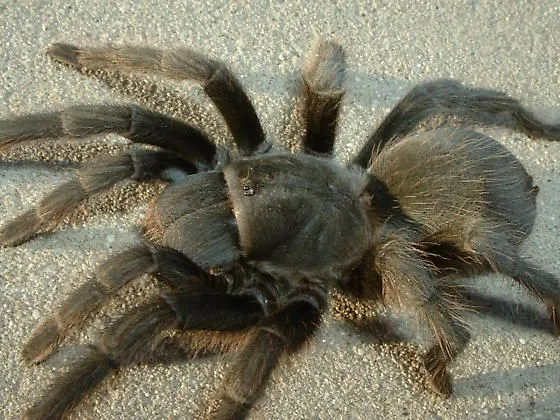
What is an Ebony Tarantula?
The ebony tarantula, scientifically known as Cyriocosmus elegans, is a captivating species within the tarantula family, renowned for its striking appearance and relatively docile temperament, making it a popular choice among tarantula enthusiasts. This New World tarantula, native to South America, particularly countries like Brazil and Venezuela, showcases a unique blend of beauty and manageable size. Their striking dark coloration and the intriguing patterns that emerge as they mature, contribute to their allure. The term “ebony” aptly describes their predominantly black body, which provides them with excellent camouflage in their natural habitat. Beyond their visual appeal, ebony tarantulas are fascinating creatures to observe and care for, offering a rewarding experience for both novice and experienced keepers alike. Understanding their characteristics, habitat, and care requirements is essential for ensuring the well-being of these remarkable arachnids.
Appearance and Characteristics
Ebony tarantulas are readily identifiable by their predominantly black coloration, providing a sleek and elegant appearance. This coloration serves as a natural camouflage in their environment. This deep black hue is accented by subtle patterns, which can vary slightly between individuals, adding a unique touch to each tarantula. They possess a robust build, typical of New World tarantulas, with a body covered in fine hairs called setae, giving them a velvety texture. Their legs are relatively long and sturdy, allowing them to navigate their surroundings with ease. Furthermore, the chelicerae, or mouthparts, are strong and capable of delivering a bite, though they are not considered medically significant to humans. The ebony tarantula’s overall appearance is a testament to nature’s artistry, combining visual appeal with the functional adaptations required for survival in their environment.
Size and Lifespan

The ebony tarantula is a medium-sized species, with females typically reaching a leg span of around 2 to 3 inches. Males are generally smaller than females. The lifespan of an ebony tarantula varies depending on the sex. Females can live for up to 10 years or more, while males have a significantly shorter lifespan, typically around 2 to 3 years after reaching maturity. This difference in longevity is common among tarantula species, with females investing more resources in growth and reproduction, leading to a longer lifespan. The size and lifespan of the ebony tarantula make it a manageable and relatively long-lived pet, offering keepers years of enjoyment observing their growth and behavior.
Coloration
The primary coloration of the ebony tarantula is a deep, rich black, which gives the species its name. The intensity of this black can vary slightly, but it’s generally consistent across the body. Subtle patterns may be present, adding to their visual appeal, particularly as they mature. These patterns can range from slight variations in the black hue to the emergence of faint markings on the abdomen or carapace. The contrast between the black body and any subtle markings adds a degree of intrigue. This color serves not only as a key identifier but also as an effective camouflage mechanism in their natural habitats, allowing them to blend seamlessly with the dark forest floor and other shaded environments where they hunt. The overall coloration contributes significantly to the unique charm of the ebony tarantula.
Habitat and Distribution
Ebony tarantulas are primarily found in South America, with their distribution extending across several countries. Their presence is particularly noted in the tropical regions, which provide the warmth and humidity they require to thrive. They are well-suited to the environment of the rainforests, which is their natural habitat. Understanding their habitat and distribution is crucial for replicating their natural conditions in captivity, ensuring the health and well-being of these captivating creatures. Their natural range contributes to their ecological importance and helps guide conservation efforts, ensuring these fascinating arachnids persist in their native ecosystems.
Natural Habitat

In the wild, the ebony tarantula is typically found in the leaf litter and soil of tropical rainforests. They prefer to live in humid, shaded environments, where they can burrow and create their retreats. The forest floor offers a rich source of food and a safe haven from predators, which include birds, reptiles, and larger mammals. They are well adapted to the specific conditions of their environment. They benefit from the abundance of insects that serve as their primary food source, and from the shelter that helps them during their molting process. Their natural habitat is critical for their survival, shaping their behavior, appearance, and overall well-being. Preserving their habitat is essential to the conservation of the species.
Geographic Range
The ebony tarantula’s geographic range includes parts of South America, with a notable presence in countries such as Brazil and Venezuela. Within these regions, they are particularly concentrated in the warmer, more humid areas that support the lush vegetation they rely on for cover and food. This distribution highlights the importance of climate and environmental factors in the tarantula’s survival. Understanding the precise range allows scientists and conservationists to assess population health, identify threats, and implement measures to protect these unique arachnids. The specific geographic locations within this range reflect the specific environmental conditions which are necessary for survival of the ebony tarantula.
Behavior and Temperament
Ebony tarantulas are generally known for their docile temperament, which makes them a suitable choice for those new to tarantula keeping. However, individual personalities can vary. They are typically reclusive, preferring to hide in burrows or under shelter during the day, emerging at night to hunt. They are not aggressive, and bites are rare; however, like any tarantula, they will defend themselves if threatened. Observing their behavior provides insights into their needs and preferences, from the type of enclosure they prefer to their feeding habits and overall well-being. Understanding their temperament is critical for proper handling and care, minimizing stress for the tarantula and ensuring a safe experience for the keeper.
Feeding Habits

Ebony tarantulas are carnivores, primarily feeding on insects in the wild and captivity. Their diet typically consists of crickets, roaches, mealworms, and other readily available insects. The frequency of feeding varies depending on the tarantula’s age and size, with younger tarantulas needing more frequent meals to support their growth. They employ an ambush hunting strategy. They are skilled at capturing prey that comes within reach. Proper nutrition is essential for their health, and it’s important to avoid overfeeding, which can lead to health problems. Providing a varied diet and appropriate feeding schedule ensures their well-being.
Defensive Mechanisms
When threatened, ebony tarantulas may exhibit defensive behaviors. They are capable of biting, though their venom is not considered medically significant to humans. Their primary defense mechanism is to flick urticating hairs from their abdomen. These hairs can cause irritation to the skin and eyes of potential predators or handlers. Unlike some tarantula species, the ebony tarantula is not prone to being aggressive, and they usually prefer to retreat to their burrow. Understanding their defensive mechanisms is important for proper handling and to avoid provoking them. It is important to handle them carefully and avoid any actions that might make them feel threatened.
Molting Process
Molting is a natural process in which ebony tarantulas shed their exoskeleton to grow. This process occurs periodically throughout their lives. During molting, the tarantula will typically become inactive, often turning onto its back. They will secrete a new exoskeleton underneath the old one. The molting process can be stressful for the tarantula, and it’s important to provide them with a safe and secure environment during this time. Once the molt is complete, the tarantula will be more vulnerable. It is important to avoid handling them until their new exoskeleton has hardened. The frequency of molting decreases as the tarantula matures. The molting process is a sign of growth and a healthy tarantula.
Breeding and Reproduction

Breeding ebony tarantulas in captivity is a specialized undertaking that requires experience and knowledge. The process typically involves introducing a mature male tarantula to a receptive female in a controlled environment. After mating, the female may lay an egg sac, containing hundreds of eggs, which she then carefully protects. The eggs hatch into spiderlings, which are cared for by the female initially. The spiderlings require careful handling and individual enclosures. Breeding requires careful monitoring and specialized knowledge to ensure the success of the process. This is a challenging but rewarding aspect of tarantula keeping for experienced keepers.
Conservation Status
The conservation status of the ebony tarantula is not currently listed as threatened or endangered, but it is important to monitor their populations. Their survival is vulnerable, so it is important to be aware of any changes in their natural habitat. Factors such as habitat loss, climate change, and the pet trade can impact their numbers. Conservation efforts include studying their population, protecting their habitats, and promoting sustainable practices in the pet trade. Supporting conservation organizations can help ensure the continued survival of ebony tarantulas and other tarantula species. Awareness about their conservation status helps keep their populations healthy.
Caring for an Ebony Tarantula
Caring for an ebony tarantula involves providing a suitable enclosure, a proper diet, and a comfortable environment that mimics their natural habitat. This will help maintain their health and well-being. Careful planning and consistent upkeep are key to successful tarantula care. They require specific conditions to thrive, and ensuring these are met is essential for their survival and happiness. Understanding the specific requirements of the ebony tarantula is crucial to providing them with a long and fulfilling life in captivity.
Enclosure Setup

An appropriate enclosure for an ebony tarantula should be a secure, well-ventilated terrarium. The enclosure should be appropriately sized to accommodate their size, with enough space for burrowing. The substrate should consist of a mixture of peat moss, coconut fiber, and vermiculite, which holds humidity. The enclosure should include a water dish with clean water and a hide, such as a piece of cork bark or a half-log, to provide a place to hide and feel secure. It is important to maintain a temperature between 75-85°F (24-29°C) and a humidity level of 70-80% for optimal health. Regularly monitoring and adjusting the environment within the enclosure ensures that it is suitable for the tarantula.
Feeding and Hydration
Ebony tarantulas need a regular supply of food and water. Feeding should be done once or twice a week. They require insects such as crickets, roaches, or mealworms, that are appropriately sized for their size. It’s important to remove any uneaten food within 24 hours to prevent mold growth. Clean, fresh water should be constantly available in a shallow dish. Ensure the water dish is always full and clean to prevent bacterial contamination. Providing a balanced diet and fresh water is essential for the tarantula’s overall health and well-being, supporting their growth and vitality.
Handling and Safety
While ebony tarantulas are generally docile, it is important to handle them with care. Handling is generally not recommended unless necessary, such as during enclosure cleaning or health checks. Always handle them over a soft surface in case they fall. Avoid quick movements, and be mindful of their defensive behaviors. Washing your hands before and after handling is a good practice. While their bite is not considered medically significant, it’s best to avoid it altogether. Proper handling techniques are essential to protect both the tarantula and the keeper. Prioritizing safety and following recommended handling guidelines will help foster a positive and safe experience for both you and your ebony tarantula.
Common Health Issues

Like all tarantulas, ebony tarantulas can be susceptible to certain health issues. Common problems include injuries from falls or accidents, parasitic infections, and issues related to poor husbandry practices, such as improper humidity or temperature. Recognizing signs of illness early, such as lethargy, loss of appetite, or unusual behavior, is important. If you suspect your tarantula is sick, consult with a veterinarian experienced in exotic animals. Maintaining a clean, well-maintained enclosure and providing proper care are crucial to preventing health problems and ensuring the well-being of your ebony tarantula.