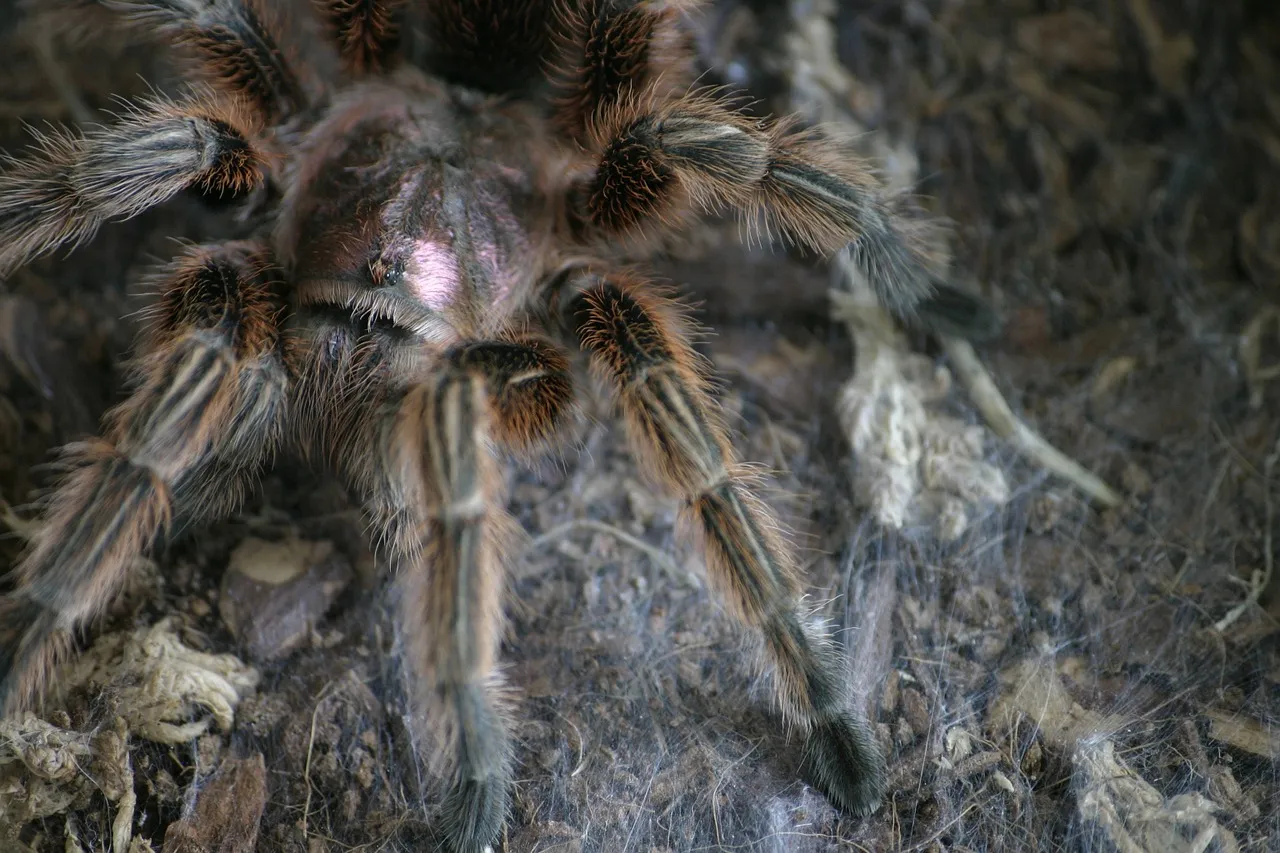
Understanding the Chilean Rose Tarantula’s Natural Habitat
The Chilean Rose Tarantula, Grammostola rosea, is a popular pet due to its docile nature and relatively easy care requirements. To ensure your tarantula thrives, understanding its natural habitat is crucial. Replicating its natural environment within its enclosure is key to its health and well-being. This involves understanding the geographical distribution, climate conditions, and specific environmental factors that influence its behavior and overall health. This knowledge will enable you to create an optimal living space that mimics its native surroundings, promoting a long and healthy life for your Chilean Rose Tarantula. Ignoring these factors can lead to stress, health problems, and a shortened lifespan for your pet.
Geographical Distribution
Chilean Rose Tarantulas are native to the arid and semi-arid regions of Chile, Bolivia, and Argentina. They are primarily found in the Atacama Desert and surrounding areas. This geographical location provides insights into the type of environment these tarantulas have adapted to, including the type of vegetation, temperature fluctuations, and moisture levels they are accustomed to. Knowing the natural range helps in understanding their needs and in setting up their terrarium. The harsh desert environment necessitates specific adaptations, which you must consider when providing its habitat. Understanding their natural range provides clues on how to best replicate their preferred living conditions.
Climate and Environmental Conditions

The climate in the Chilean Rose Tarantula’s native habitat is characterized by dry conditions and significant temperature variations between day and night. The arid environment results in low humidity levels, especially during the day. They are well-adapted to these conditions, which influence their behavior, including molting cycles, feeding habits, and activity levels. Understanding this natural variability is vital in providing suitable conditions in captivity. Humidity and temperature fluctuations simulate the natural environment and prevent health issues. The correct environment supports their life processes, making it essential for their well-being and longevity.
Temperature and Humidity Requirements
Chilean Rose Tarantulas thrive in a temperature range of 70-85°F (21-29°C). Humidity levels should be relatively low, around 50-60%. To maintain these conditions, a thermometer and hygrometer are essential. The temperature should not drop below 70°F, as it can slow down their metabolism and impact their overall health. The humidity levels can be maintained by lightly misting the enclosure once or twice a week, but avoid over-misting, as this can lead to mold growth. These parameters mimic their natural environment and contribute to a healthy and active tarantula.
Day and Night Cycle
Chilean Rose Tarantulas are primarily nocturnal, meaning they are most active at night. While they don’t require specific lighting, a natural day and night cycle is essential for their well-being. This can be achieved by placing their enclosure in a room with a regular light cycle. Avoid direct sunlight, which can overheat the enclosure. The regular day and night cycle helps to regulate their biological clock and maintain their natural behavior. The light cycle affects their feeding and molting habits, making it essential to their overall health and well-being. The appropriate light cycle enhances the tarantula’s behavior and promotes its health.
Burrowing Behavior and Substrate Preference

In their natural habitat, Chilean Rose Tarantulas are terrestrial spiders that often burrow. They prefer a substrate that allows them to dig and create tunnels. The substrate also provides a safe place to hide, molt, and regulate their body temperature. Therefore, the substrate should be deep enough to allow for burrowing, typically 4-6 inches deep, depending on the size of the tarantula. Providing the correct substrate is one of the most crucial elements in their enclosure, promoting both physical and psychological health.
The Importance of Hiding Places
Hiding places are essential for Chilean Rose Tarantulas. These spiders are naturally shy and will seek shelter when they feel threatened. Providing a hide, such as a piece of cork bark, a hollow log, or an artificial cave, is necessary for their well-being. The hide allows them to feel secure and reduces stress, promoting a healthier lifestyle. Providing hiding places helps them to feel safe and secure. This also helps to regulate their behavior and promotes a calmer temperament. They are able to withdraw, reducing stress, thus, enhancing their well-being.
Substrate Composition and Depth
The ideal substrate for a Chilean Rose Tarantula should consist of a mix of materials. A blend of organic materials, such as coconut fiber, peat moss, or a mix of both, and a small amount of vermiculite or sand provides excellent drainage and allows for burrowing. The depth of the substrate is essential for burrowing behavior; it should be deep enough for the tarantula to dig a burrow, usually 4-6 inches. The substrate should also be kept slightly moist, but not wet, to maintain the correct humidity levels. The substrate choice contributes to the enclosure’s overall aesthetics, too.
Top 5 Secrets to Replicating the Habitat

Secret 1 Maintain Optimal Temperature
Maintaining the correct temperature is one of the most critical factors in the Chilean Rose Tarantula habitat. Use a reliable thermometer to monitor the temperature within the enclosure, keeping it between 70-85°F (21-29°C). You may need a heat source, such as a low-wattage heat lamp or a heat mat, to maintain the correct temperature. Ensure the heat source doesn’t directly heat the enclosure and only provides warmth. Monitor temperature fluctuations and adjust the heat source accordingly to ensure it’s always within the acceptable range.
Secret 2 Regulate Humidity Levels
Regulating humidity is essential in maintaining the correct environment. Use a hygrometer to monitor humidity levels, aiming for 50-60%. The enclosure may be lightly misted with dechlorinated water once or twice a week to raise humidity. Be careful not to over-mist, as this can lead to mold growth. The substrate should be kept slightly moist. Proper humidity prevents dehydration. Regulating the humidity ensures a healthy environment for the tarantula.
Secret 3 Provide a Suitable Substrate

The substrate should consist of a mixture of coconut fiber, peat moss, or a mix of both, with a small amount of vermiculite or sand. Provide a substrate depth of 4-6 inches to allow for burrowing. The substrate should be slightly moist to maintain humidity, but not wet. This combination will encourage burrowing behavior and help to regulate humidity. Consider the materials you use for your substrate and their impact on the environment. The appropriate choice of substrate ensures that the tarantula feels safe.
Secret 4 Offer Hiding and Enrichment
Always provide a hide, such as a piece of cork bark or a hollow log, to give the tarantula a secure place to retreat. Add some artificial plants or other decorations to enrich the environment. These enrichments provide stimulation and prevent boredom. A well-enriched enclosure contributes to the psychological well-being of the tarantula. The hide provides a sense of safety, reducing stress and promoting a healthier lifestyle.
Secret 5 Ensure Proper Ventilation
Proper ventilation is crucial to prevent mold growth and maintain healthy air quality. The enclosure should have cross-ventilation, which can be achieved by having ventilation holes on the sides and top of the enclosure. Ensure the ventilation is adequate, so that the enclosure’s air is always fresh. Without adequate ventilation, the enclosure can become stagnant, leading to health issues. Good ventilation ensures that the habitat remains healthy and that the spider can thrive.
Common Mistakes to Avoid
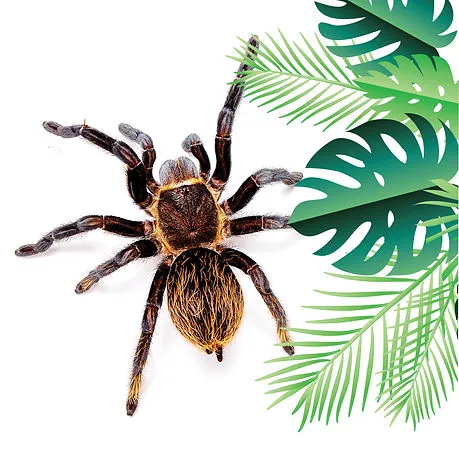
Overcrowding and Inadequate Space
Providing an enclosure that is too small or housing multiple tarantulas in the same enclosure can lead to stress, aggression, and health problems. Ensure the enclosure is large enough for the tarantula to move around and establish its territory. The appropriate size is important for reducing stress and aggression. Proper space is essential for maintaining their well-being. Make sure each tarantula has enough space to live comfortably.
Incorrect Substrate Choices
Using the wrong substrate can lead to humidity issues, mold growth, and difficulty burrowing. Avoid substrates that retain too much moisture, such as soil. Instead, opt for a mix of coconut fiber, peat moss, or a blend, and some sand. Select a substrate that provides the right balance of moisture retention and drainage, allowing for burrowing. Incorrect substrate choices can harm the tarantula’s ability to burrow, hide and regulate moisture. This can directly impact the spider’s health and behavior.
Failure to Maintain Proper Humidity

Failing to maintain the correct humidity levels can lead to dehydration, molting problems, and respiratory issues. Regularly monitor the humidity with a hygrometer and adjust as needed. Provide a shallow water dish and mist the enclosure lightly to maintain humidity levels. Insufficient humidity can result in poor health for the tarantula, potentially causing molting issues. Proper humidity levels are one of the most critical aspects of caring for a Chilean Rose Tarantula and are important for its overall health and well-being.