
What is the Chaco Mousy Brown Tarantula?
The Chaco Mousy Brown Tarantula (Grammostola pulchra) is a captivating terrestrial tarantula species, gaining popularity among arachnid enthusiasts. Native to South America, particularly the grasslands of Argentina, Paraguay, and Uruguay, this species is known for its docile temperament and striking appearance. Its scientific name, Grammostola pulchra, hints at its beauty, and it certainly lives up to the moniker with its velvety, dark brown coloration. This species is a favorite among beginners and experienced keepers alike due to its relatively easy care requirements and gentle nature. Discovering more about the Chaco Mousy Brown Tarantula is the first step in appreciating this fascinating creature and understanding what it takes to be a responsible pet owner.
Appearance and Characteristics
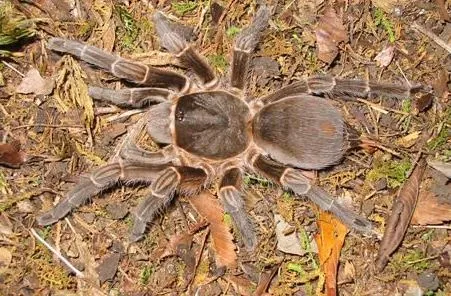
The Chaco Mousy Brown Tarantula boasts a rich, velvety appearance. The body is primarily a deep, dark brown color, often described as a mousy brown, hence its common name. Their legs are robust, covered in fine hairs that contribute to their overall velvety texture. The carapace, the upper shell covering the cephalothorax, exhibits a slightly lighter shade of brown, sometimes with subtle patterns. These tarantulas are not known for vibrant colors; their beauty lies in their understated elegance. Their physical characteristics make them a remarkable sight to behold. The females are generally more robust than the males, but both sexes share the same elegant and understated beauty. The overall impression is one of a strong, well-built spider, adapted to life on the ground.
Size and Lifespan

Chaco Mousy Brown Tarantulas are a medium-sized tarantula species. Females typically reach a leg span of around 6-8 inches (15-20 cm) when fully grown, while males are generally slightly smaller. They have a moderate growth rate, reaching their adult size within a few years. One of the most attractive aspects of owning a Chaco Mousy Brown is their longevity. Females can live for an impressive 15-20 years or even longer under optimal care. This longevity is a significant factor for many pet owners, providing a long-term companionship with their fascinating arachnid. Males, unfortunately, have a shorter lifespan, typically living for 5-7 years, with their lives often cut short after maturity due to the search for a mate.
Where Does the Chaco Mousy Brown Tarantula Live?
Natural Habitat
In the wild, the Chaco Mousy Brown Tarantula thrives in the grasslands and open woodlands of South America. They are primarily terrestrial spiders, meaning they spend most of their time on the ground. They create burrows in the soil or take refuge under rocks, logs, and other ground cover to stay safe from predators and to regulate their body temperature. The humid environment that occurs in their natural habitat is crucial for their health, and they also need protection from the strong sunlight in these grassland regions. They are well-adapted to the climate of their native regions, which is marked by distinct seasons, including both dry and rainy periods. Their burrows provide protection from the elements and serve as a secure place for them to ambush prey.
Geographic Distribution

The Chaco Mousy Brown Tarantula’s natural habitat spans across several South American countries. They are predominantly found in Argentina, Paraguay, and Uruguay. Within these countries, they inhabit areas with suitable soil for burrowing, and abundant insect life for food. These regions typically have a moderate climate with defined seasons, which the tarantulas have adapted to throughout their lives. Though their distribution isn’t overly broad, their presence is a common sight to those familiar with these regions, and their popularity in the pet trade has led to widespread availability around the world, even outside their natural range. They play a role in the local ecosystem as both predators and prey to other species in their native range.
What Does the Chaco Mousy Brown Tarantula Eat?
Diet in the Wild
In their natural habitat, Chaco Mousy Brown Tarantulas are opportunistic predators. Their diet primarily consists of insects and other invertebrates they can overpower. This includes crickets, grasshoppers, beetles, and other ground-dwelling insects. They are ambush predators, waiting patiently in their burrows or under cover, until suitable prey wanders within striking distance. When an insect gets close, the tarantula will quickly pounce, injecting venom to paralyze the prey before feeding. They also occasionally consume small lizards or other small prey items if available. Their diet is a reflection of the insect life present in the grasslands, which supports their growth and overall well-being.
Diet in Captivity

In captivity, the Chaco Mousy Brown Tarantula’s diet is relatively easy to manage. The most common food source is crickets, which are readily available at pet stores. Other suitable options include dubia roaches, mealworms, and even pre-killed small rodents for adult tarantulas. The frequency of feeding depends on the age and size of the spider. Spiderlings and juveniles should be fed more frequently, perhaps every few days, while adults can be fed once or twice a week. It’s important to ensure the prey is smaller than the tarantula’s body. Fresh water should be available at all times. Any uneaten food items should be removed within a day to prevent mold growth. The diet will impact the spider’s overall health.
Chaco Mousy Brown Tarantula Behavior
Temperament and Handling
One of the defining characteristics of the Chaco Mousy Brown Tarantula is its generally docile temperament, making it a popular choice for beginners. They are not known for being aggressive and are less likely to bite compared to some other tarantula species. However, it’s important to remember that they are still wild animals, and caution should always be exercised. Handling should be kept to a minimum, as it can stress the tarantula, and in some cases, it can trigger defensive behaviors. If you do handle your tarantula, do so carefully and close to the ground, in case it falls. Always wash your hands before and after handling to avoid introducing any contaminants. Observe your tarantula’s behavior to gauge its comfort level, and avoid handling if it appears stressed.
Defensive Behaviors

Despite their generally docile nature, Chaco Mousy Brown Tarantulas possess several defensive mechanisms they may use if they feel threatened. One of these defenses is flicking urticating hairs from their abdomen. These hairs are barbed and can cause intense skin irritation, so it is essential to avoid direct contact. They might also raise their front legs and display their fangs as a warning. If further provoked, they may try to bite, although this is rare. Providing a secure, comfortable habitat with appropriate hiding places helps minimize stress and the likelihood of defensive behaviors. Understanding their defense mechanisms is critical to responsible ownership, enabling you to provide a safe environment for both the tarantula and yourself.
How to Care for a Chaco Mousy Brown Tarantula
Enclosure Setup
Setting up the right enclosure is essential for the Chaco Mousy Brown Tarantula’s health and well-being. A secure, well-ventilated enclosure is needed, and the size should correspond to the tarantula’s size. For spiderlings, a small container is sufficient. Adult tarantulas need a larger enclosure, at least 10 gallons in size. The substrate should be a mix of coconut fiber, peat moss, and/or a soil mix, that is deep enough for burrowing. Include a water dish and a hide, such as a piece of cork bark or a hollow log. The water dish should be shallow to prevent accidental drowning. A good enclosure setup mimics their natural habitat, providing a comfortable and secure environment, and creating a happy home for your tarantula. Make sure the enclosure has a secure lid to prevent escapes.
Temperature and Humidity
Maintaining appropriate temperature and humidity levels is crucial for a Chaco Mousy Brown Tarantula’s health. The ideal temperature range is between 75-85°F (24-29°C). A heat mat can be used to provide supplemental heat if needed. The humidity level should be kept between 60-70%. Monitoring the humidity levels can be done with a hygrometer. Mist the enclosure lightly with water every few days to maintain humidity, but be careful not to over-saturate the substrate, as this can lead to mold growth. Proper ventilation is also crucial to avoid stagnant air. Ensure that the enclosure setup allows for airflow.
Feeding and Watering
Feeding your Chaco Mousy Brown Tarantula properly ensures their survival and vitality. As mentioned, crickets and other insects are the main food source. The feeding frequency depends on the spider’s age, as spiderlings should be fed more often than adults. Adults can be fed once or twice a week. Always provide fresh, clean water in a shallow dish. Water should be changed regularly to prevent contamination. Remove uneaten food items within 24 hours to prevent mold and other unhealthy conditions. Ensure the prey is smaller than the tarantula’s body size. Observe your tarantula’s feeding habits; if the spider consistently refuses food, it may be preparing to molt, or it could be due to other factors, so carefully monitor your pet.
Interesting Facts about the Chaco Mousy Brown Tarantula
Here are some interesting facts about the Chaco Mousy Brown Tarantula: They are known for their relatively docile nature and are therefore popular with beginners. Females can live for over 20 years in captivity. They are burrowing tarantulas. Their coloration makes them blend in with their surroundings. They have urticating hairs on their abdomens. They are native to South American grasslands. They are a slow-growing species. They are a fascinating and rewarding pet for those who appreciate arachnids.