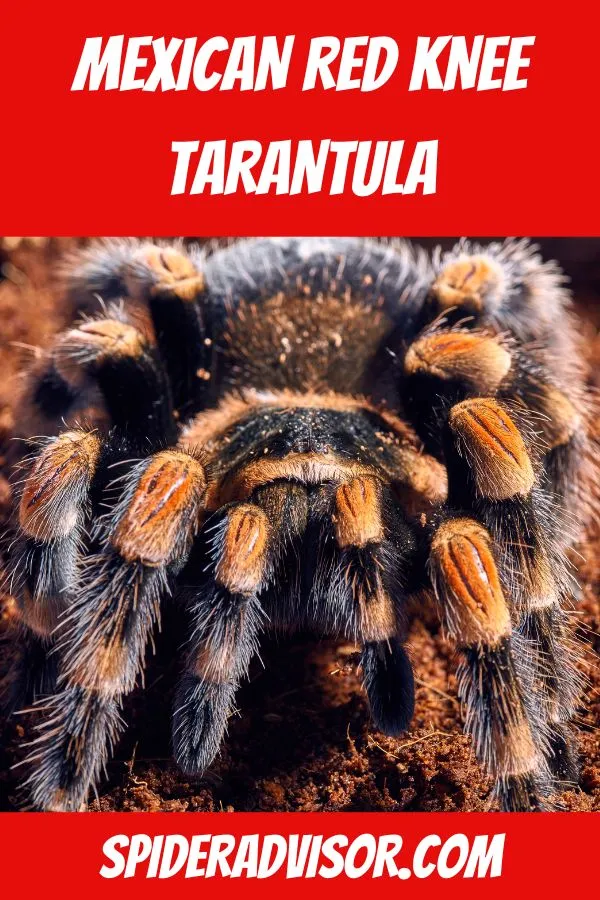
Understanding Mexican Red Knee Tarantulas Breeding
Breeding Mexican Red Knee Tarantulas can be a rewarding experience for dedicated hobbyists. These captivating creatures, known for their striking red and black markings, offer a fascinating glimpse into the world of arachnid reproduction. However, successful breeding requires a thorough understanding of their specific needs and behaviors. This guide delves into the essential aspects of breeding these magnificent tarantulas, from setting up the ideal environment to navigating the complexities of mating and raising spiderlings. It’s crucial to remember that responsible breeding involves not only the technical aspects but also ethical considerations, ensuring the well-being of the tarantulas and finding suitable homes for their offspring. Before embarking on this journey, research and preparation are paramount to ensure a positive outcome and contribute to the responsible stewardship of these amazing animals. The journey to becoming a successful Mexican Red Knee Tarantula breeder is a blend of scientific knowledge, observation skills, and a deep respect for these captivating creatures.
Ideal Conditions for Breeding
Creating the ideal environment is crucial for encouraging successful breeding in Mexican Red Knee Tarantulas. These tarantulas are native to the arid regions of Mexico, and therefore, their captive environment must mimic these conditions to stimulate their natural behaviors. Maintaining the correct temperature and humidity levels, providing a suitable substrate, and ensuring proper enclosure setup are all essential components. Failing to provide these conditions can lead to stress, reduced breeding success, and even the tarantulas’ reluctance to mate. Providing the right conditions is not just about the technical specifications; it’s about creating an environment where these magnificent arachnids feel safe and comfortable enough to reproduce. This section will walk you through each of these aspects, ensuring that you create a thriving environment that fosters breeding success.
Temperature and Humidity Requirements

Maintaining the correct temperature and humidity is critical for the health and breeding success of Mexican Red Knee Tarantulas. The ideal temperature range is between 75-85°F (24-29°C). A heat mat or a low-wattage heat lamp can be used to maintain this temperature. Humidity levels should be kept relatively low, around 60-70%. This can be achieved by lightly misting the enclosure once or twice a week, being careful not to over-saturate the substrate. Monitoring the temperature and humidity with a reliable thermometer and hygrometer is essential to ensure these parameters are consistently within the recommended ranges. Fluctuations outside these ranges can stress the tarantulas and hinder breeding attempts. Consistency is key. Also, proper ventilation is also crucial for preventing mold growth and maintaining air quality. Combining correct temperature, humidity, and ventilation creates a healthy and thriving environment that will increase the likelihood of successful breeding.
Substrate and Enclosure Setup
The enclosure setup plays a crucial role in the well-being and breeding success of Mexican Red Knee Tarantulas. A suitable substrate, such as a mixture of coconut fiber, peat moss, and vermiculite, provides burrowing opportunities and helps maintain humidity. The enclosure should be appropriately sized, providing ample space for the tarantula to move around and establish a comfortable territory. For adults, a 10-20 gallon tank or a similarly sized enclosure is often recommended. The enclosure should also include a hide, such as a piece of cork bark or a hollow log, for the tarantula to retreat to, giving the tarantula a sense of security. The enclosure must be well-ventilated to prevent the buildup of stagnant air and mold growth. Decorations, such as artificial plants, can be added to provide enrichment and a more naturalistic environment. Ensure the enclosure is secure, with a tight-fitting lid to prevent escape. Consider the overall setup, maintaining a balance between functionality, aesthetics, and the tarantula’s needs. A well-designed enclosure supports the tarantula’s natural behaviors, promoting a healthy and stress-free environment, which are all factors for successful breeding.
Preparing the Mexican Red Knee Tarantulas for Breeding
Preparing your Mexican Red Knee Tarantulas for breeding is a crucial step toward successful reproduction. This involves several key aspects, including accurately sexing your tarantulas, ensuring they are in optimal health, and understanding the ideal timing for breeding. A healthy, well-nourished female is more likely to produce a viable egg sac, while a mature male is essential for fertilization. Proper preparation minimizes risks and increases the chances of successful mating. This preparatory phase can take several months, and a patient and careful approach is key to achieving positive outcomes. Before attempting to breed your tarantulas, take the time to understand their individual needs, monitor their behavior, and be ready to adjust your approach as needed.
Sexing Your Tarantulas Accurately

Accurately determining the sex of your Mexican Red Knee Tarantulas is paramount to breeding. There are several methods for sexing, including examining the tarantula’s exuviae (molted exoskeleton) and observing the presence of sperm webs in mature males. The most reliable method is to examine the underside of the tarantula under high magnification. Males have a modified pair of pedipalps (small appendages near the mouth) that resemble boxing gloves, called palpal bulbs, which they use to store sperm. Females, on the other hand, do not have these bulbs, and instead, they possess spermathecae, which are internal structures for storing sperm. Identifying these features requires a careful examination, and using a magnifying glass or a macro lens can be extremely helpful. If in doubt, consulting with an experienced breeder or a veterinarian specializing in exotic animals is always a good idea. Accurate sexing prevents unnecessary stress on the tarantulas and ensures that you have a male and female pair for breeding.
Optimal Timing for Breeding
The timing of breeding is crucial for maximizing your chances of success. Generally, Mexican Red Knee Tarantulas reach sexual maturity at around 4-7 years of age, although this can vary depending on the individual and environmental factors. It is generally recommended to wait until the female has had several molts after reaching maturity, as this can improve her chances of producing a healthy egg sac. The best time to breed is typically during the warmer months, when the humidity is more favorable. It is also essential to ensure both the male and female are well-fed and in good health before introducing them. Observe the tarantulas’ behavior and signs of receptiveness, such as the female being less aggressive and the male displaying courtship rituals. Careful observation and a well-timed introduction can significantly increase the likelihood of a successful mating.
The Breeding Process
The breeding process is a captivating event that involves introducing the male and female, observing their interactions, and monitoring for successful mating. This phase requires patience, a keen eye for detail, and the ability to provide a safe and controlled environment for the tarantulas. While it can be exciting to witness the courtship rituals and mating behavior, it is also essential to prioritize the safety and well-being of both tarantulas, minimizing any potential risks. This section describes the steps involved, from the initial introduction to the immediate post-mating care, detailing the critical aspects of this delicate but fascinating process.
Introducing the Tarantulas

Introducing the male and female Mexican Red Knee Tarantulas is a delicate process that requires careful planning and observation. Ideally, the female should be well-fed and housed in her enclosure. The male should be introduced into her enclosure, preferably when the female is less active. The introduction should be done cautiously, with the breeder closely monitoring the behavior of both tarantulas. The introduction should preferably take place in the female’s enclosure. Observe for signs of aggression from the female. If the female is aggressive, the male should be removed immediately to prevent any harm. It is helpful to introduce them when the female is hungry or has recently molted, as this can reduce her aggression. If the female appears receptive, the male will often start a courtship ritual, which includes drumming on the substrate or vibrating his body. It is crucial to be patient and allow the tarantulas to interact at their own pace, providing a secure and comfortable environment for them to engage in their courtship behaviors.
Monitoring and Mating Behavior
Once the tarantulas have been introduced, it is essential to closely monitor their interactions, focusing on the courtship and mating behavior. The male Mexican Red Knee Tarantula will typically initiate courtship by drumming or vibrating his body. If the female is receptive, she will adopt a specific posture, allowing the male to approach. The male will then use his pedipalps to transfer sperm into the female’s spermathecae. The actual mating process can be relatively quick, often lasting only a few minutes. Throughout this process, the breeder should observe the tarantulas without interfering, ensuring they are not causing harm to each other. After mating, it is crucial to separate the tarantulas, as the female may become aggressive and attempt to eat the male. The breeder should continue monitoring the female’s behavior for signs of egg sac production.
Post-Mating Care
Following successful mating, proper post-mating care is crucial for the female Mexican Red Knee Tarantula. After the male has mated, it is vital to remove him from the enclosure immediately to prevent the risk of the female attacking and consuming him. The female should be provided with plenty of food, as she will need the extra nutrition to produce and care for the egg sac. Continue to monitor her behavior, watching for any changes that might indicate the formation of an egg sac. The female may become less active and spend more time in her burrow or hiding place. Also, provide a secure and stable environment, maintaining the appropriate temperature and humidity levels. During this time, it is essential to avoid any unnecessary disturbances that could stress the female. Providing a calm and supportive environment ensures the female is as comfortable as possible as she prepares for the next stage of reproduction, which is producing an egg sac.
Caring for the Female Tarantula

Caring for the female tarantula is critical throughout the breeding process, particularly after mating. This involves providing her with a nutritious diet, maintaining optimal environmental conditions, and minimizing stress. The female will require additional food to support the development of the egg sac. Offer a variety of appropriately sized insects, such as crickets, roaches, or mealworms. It is vital to maintain the proper temperature and humidity levels in the enclosure to promote the female’s well-being. Minimize any disruptions, such as excessive handling or vibrations, as these can stress the female and potentially affect the egg sac. Continuous observation is also essential, to be on the lookout for any signs of illness, changes in behavior, or problems with the egg sac. Ensuring the female’s health and comfort during this period is the best way to maximize the chances of producing viable offspring.
Recognizing Egg Sacs
Recognizing the formation of an egg sac is a crucial step in the breeding process. The female Mexican Red Knee Tarantula will usually create an egg sac made of silk to hold her eggs. The egg sac is typically round or oval-shaped and can vary in size depending on the size and age of the female. The female may become less active and spend more time in her burrow as she prepares the egg sac. Observing the female’s behavior and appearance is a key factor in determining when the egg sac is present. Once the egg sac is formed, the female will usually guard it carefully, turning it and tending to it regularly. The egg sac will be in the enclosure for several weeks until the spiderlings hatch. Being able to recognize and monitor the egg sac is crucial for ensuring the optimal conditions for the eggs. It is also important to note the incubation period, the duration of time it takes for the eggs to hatch and develop into spiderlings.
Raising Spiderlings
Raising spiderlings requires patience, attention to detail, and the ability to adapt to their specific needs. This section covers the essential aspects of raising the spiderlings, including incubation, proper care, and feeding, and provides you with helpful insight to help ensure your spiderlings get the best possible start. Creating the optimal environment for these young tarantulas can have a direct impact on their health, growth, and long-term survival. This phase is a rewarding experience for breeders, from witnessing the first hatch to watching them grow and develop into miniature versions of their parents. Understanding the requirements of the spiderlings, being prepared to make the necessary adjustments, and carefully observing their behaviors are fundamental to successful spiderling rearing.
Incubation and Spiderling Care

The incubation period for Mexican Red Knee Tarantula eggs typically lasts for several weeks. During this time, the female should be left undisturbed to care for the egg sac. Monitor the temperature and humidity in the enclosure to ensure they remain within the recommended ranges. After the eggs hatch, the spiderlings, also known as spiderlings, will remain with their mother for a short time. Providing the spiderlings with a shallow water dish and very small prey items, such as fruit flies or pinhead crickets, is important. The mother will take care of the spiderlings by separating them once they are able to feed. Spiderlings need to be separated to avoid cannibalism. Individual containers, such as small deli cups, are required, and each spiderling should have its own space, with appropriate substrate and ventilation. Regular cleaning and maintenance of the spiderlings’ enclosures are crucial for their health and development.
Feeding and Housing Spiderlings
Feeding and housing spiderlings is critical to their healthy growth and development. Spiderlings require frequent feeding of small, appropriately sized prey items, such as fruit flies or pinhead crickets. Feed the spiderlings every day or every other day, depending on their size and appetite. Overfeeding can lead to issues such as molting problems, so careful monitoring is important. The enclosures for the spiderlings should be appropriately sized, typically small containers, such as deli cups, each housing a single spiderling. Provide a thin layer of substrate, such as coconut fiber or peat moss, to help maintain humidity. The enclosures should be well-ventilated to prevent the buildup of stagnant air and mold growth. It is also essential to provide a small water source, such as a bottle cap with water-soaked cotton. Regularly clean and maintain the enclosures to prevent mold and ensure the health and well-being of the spiderlings. As the spiderlings grow, they will need to be moved into larger enclosures, and it will be important to adjust their feeding and housing accordingly.
Common Breeding Challenges and Solutions
Breeding Mexican Red Knee Tarantulas can present a variety of challenges, from initial mating difficulties to issues with egg sacs and spiderling survival. Understanding these potential challenges is essential for breeders to identify and address problems effectively. A proactive and informed approach can significantly improve the chances of successful breeding and minimize the risk of complications. This section addresses these common challenges, providing insights and solutions to help breeders navigate the obstacles and increase their chances of producing healthy offspring. Knowledge of potential problems will equip you with the understanding to adapt your approach and find solutions to common issues.
Failure to Mate

Failure to mate is a common challenge in tarantula breeding. Several factors can contribute to this, including improper environmental conditions, immature tarantulas, or the tarantulas simply not being receptive. To improve the chances of successful mating, ensure that the temperature and humidity are within the recommended ranges. Verify that both the male and female are mature and have reached sexual maturity. It is essential to carefully observe the tarantulas’ behavior, as they may not always be receptive to mating attempts. If the female is aggressive, separate the tarantulas and try again at a later time. Patience and understanding of the tarantulas’ behaviors are key. It may be necessary to try breeding the pair multiple times before a successful mating occurs. If the male does not initiate courtship, it could be due to a lack of experience, so the breeder can consider providing the male with a mature female.
Egg Sac Problems
Egg sac problems can occur, including infertile eggs, egg sac abandonment, or fungal growth. The best approach to address egg sac issues is to prevent them in the first place. Maintaining optimal environmental conditions, particularly the correct temperature and humidity, is essential to prevent egg sac problems. Ensure that the female is well-fed and healthy to increase the likelihood of healthy eggs. If the female abandons the egg sac, you may need to artificially incubate the eggs. In cases of fungal growth, remove the egg sac immediately and take measures to improve ventilation. If the eggs are infertile, it may be necessary to try breeding the pair again. Careful observation and preventative measures can greatly reduce the risk of egg sac problems. If issues arise, seek guidance from experienced breeders to mitigate potential issues.
Spiderling Mortality
Spiderling mortality can be a significant concern in tarantula breeding. Spiderlings are delicate and require a carefully managed environment to thrive. Cannibalism is a common issue, so it is essential to separate spiderlings into individual enclosures as soon as possible. Provide appropriately sized prey items and ensure that the spiderlings are well-fed. Maintain the proper temperature and humidity levels, as fluctuations can stress the spiderlings and increase mortality. Regular cleaning and sanitation of the enclosures are crucial to prevent the spread of disease. Closely monitor the spiderlings for any signs of illness or stress. Proper care and maintenance are vital for minimizing spiderling mortality. With patience, attention to detail, and knowledge of their needs, you can minimize losses and increase the success of your breeding efforts.
Ethical Considerations in Breeding
Responsible breeding practices are essential for the well-being of the tarantulas and the sustainability of the hobby. Ethical considerations involve prioritizing the health and welfare of the tarantulas, avoiding overbreeding, and ensuring that the spiderlings find suitable homes. It’s crucial to balance the passion for breeding with a strong sense of responsibility to the animals and the environment. This section addresses these ethical responsibilities, highlighting the importance of informed decision-making and conscientious care. By understanding the ethical responsibilities involved in breeding tarantulas, breeders can make informed choices and contribute to the responsible and sustainable practices of the hobby.
Responsible Breeding Practices
Responsible breeding practices focus on the well-being of the tarantulas and the ethical management of their offspring. This involves only breeding healthy, well-nourished tarantulas that meet specific criteria. Avoid breeding tarantulas with known health problems or genetic defects. The breeder must provide excellent care for the tarantulas throughout the breeding process. Also, it is essential to have a plan for the spiderlings before breeding the tarantulas, and it is not enough to simply produce them. Research and understand the potential homes for the spiderlings. Support the efforts of responsible breeders and organizations. The primary focus should be the health and well-being of the tarantulas. Ethical breeding practices demonstrate respect for these animals and contribute to the sustainability of the hobby.
Finding Homes for Spiderlings
Finding suitable homes for the spiderlings is a crucial aspect of ethical breeding. It is the responsibility of the breeder to ensure that the spiderlings are placed in good homes where they will receive proper care. Before breeding, have a plan in place for placing the spiderlings. This could involve identifying potential buyers, such as other experienced tarantula keepers. Screen potential buyers to ensure they have the knowledge, experience, and resources to care for the spiderlings properly. Provide guidance and support to the new owners to help them care for their new tarantulas. Consider participating in local or online tarantula communities. The breeder should consider finding homes before breeding. By taking these steps, you can ensure that the spiderlings have a good start in life and will be properly cared for, contributing to the responsible and sustainable hobby of tarantula keeping.