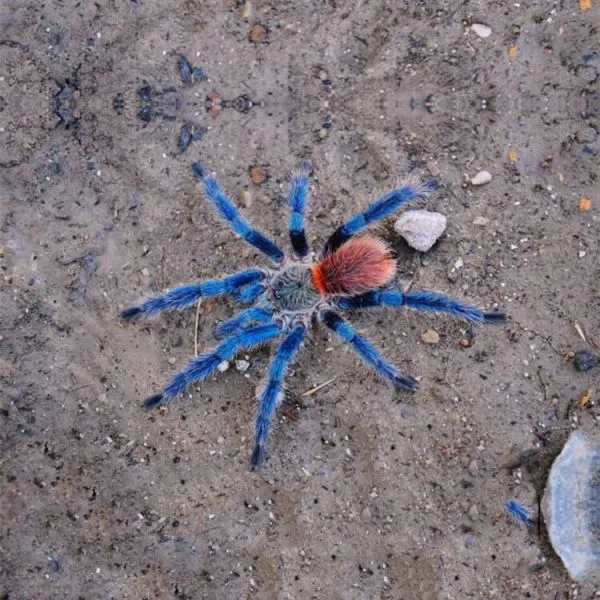
The Brazilian Blue Tarantula (Chromatopelma cyaneopubescens) is a stunning and captivating pet, known for its vibrant colors and relatively docile temperament. A key element in ensuring your tarantula’s health and happiness is providing the right enclosure. This comprehensive guide provides amazing tips on how to create the perfect habitat for your Brazilian Blue, covering everything from size and materials to temperature, humidity, and maintenance. This will help you create a thriving environment for your beloved tarantula.
Choosing the Right Brazilian Blue Tarantula Enclosure
Selecting the correct enclosure is the first and most critical step in tarantula care. The enclosure provides shelter, regulates the environment, and allows you to observe your pet. It’s essential to consider factors such as size, material, and ventilation to ensure a comfortable and healthy environment. Remember that the ideal enclosure setup mimics the tarantula’s natural habitat as closely as possible. Consider these factors before bringing your Brazilian Blue Tarantula home.
Size Matters Choosing the Ideal Enclosure Size
The size of your tarantula’s enclosure is crucial for its well-being. A space that’s too small will restrict movement and potentially stress the tarantula, while a space that’s too large can make it difficult for the tarantula to find food and may lead to escape attempts. Always consider the tarantula’s size and growth rate when choosing an enclosure. Enclosure size should be adjusted as your tarantula grows. It’s best to upgrade as your tarantula molts.
Enclosure Size for Spiderling

For spiderlings, a smaller enclosure is ideal. A deli cup or a small plastic container (approximately 4x4x6 inches) is suitable. This helps the spiderling find food and prevents it from feeling overwhelmed. Ensure that the container is escape-proof, with a secure lid.
Enclosure Size for Juvenile
Juvenile Brazilian Blues will need a larger enclosure. An enclosure of about 10x10x12 inches is generally appropriate. This gives them more room to move and explore. Remember to monitor your tarantula’s growth and be prepared to upgrade the enclosure as needed. Ensure the enclosure has enough space for substrate, a water dish, and a hide.
Enclosure Size for Adult
Adult Brazilian Blue Tarantulas require the largest enclosures. A 12x12x18-inch enclosure, or even larger, is recommended. Adult females can reach a leg span of up to 6 inches, so they need adequate space to move around and feel comfortable. The larger space also allows for more elaborate decorations and hiding places.
Essential Enclosure Materials

The material of your tarantula’s enclosure is another vital consideration. The primary materials used are glass and acrylic, each with advantages and disadvantages. The choice often depends on your preferences, budget, and the specific needs of your tarantula.
Glass Enclosures Advantages
Glass enclosures are durable, easy to clean, and offer excellent visibility. They are also scratch-resistant, which helps them maintain a clear view of your tarantula. Glass can retain heat well, which is beneficial for maintaining the necessary temperature inside the enclosure. However, glass enclosures can be heavy and may break if dropped.
Acrylic Enclosures Advantages
Acrylic enclosures are lighter than glass and are less likely to break. They also provide excellent insulation and can come in various shapes and sizes. Acrylic offers better clarity than glass, allowing for a superior view of your tarantula. However, acrylic can scratch easily and may require specialized cleaning to maintain clarity. It’s also generally more expensive than glass.
Ventilation is Key for Brazilian Blue Tarantulas

Proper ventilation is critical to prevent mold and mildew growth in your tarantula’s enclosure, which can be harmful to your pet’s health. Good ventilation helps to regulate humidity levels and prevents the buildup of harmful gases. The enclosure should have enough airflow to maintain a healthy environment.
Proper Ventilation Techniques
Ventilation is usually achieved by having cross-ventilation, which means air can flow in through one side and out through another. This can be achieved with strategically placed ventilation holes on the top and sides of the enclosure. The size and number of ventilation holes should be adequate without compromising the security of the enclosure.
Avoiding Stagnant Air Problems
Stagnant air can lead to the buildup of mold and the proliferation of mites. Ensure that the air in the enclosure is circulating. Regular spot cleaning and full enclosure cleaning can also help maintain air quality. Avoid overcrowding the enclosure with decorations that block airflow.
Creating the Perfect Brazilian Blue Tarantula Habitat

Creating the perfect habitat involves more than just the enclosure itself. It includes selecting the right substrate, controlling humidity and temperature, and providing appropriate hiding places and decor to mimic the tarantula’s natural environment.
Substrate Selection and Setup
The substrate serves as the flooring for your tarantula’s enclosure. It provides a place for the tarantula to burrow, holds humidity, and helps regulate temperature. It’s essential to select a substrate that is safe and suitable for your tarantula’s needs.
Ideal Substrate Types
A good substrate for Brazilian Blue Tarantulas should retain moisture while still allowing for proper ventilation. A mixture of substrates is often the best approach. Excellent choices include coconut fiber (coco coir), peat moss, and a small amount of vermiculite or sphagnum moss. These materials help to retain humidity while providing a naturalistic environment. Avoid using materials like wood chips that can mold easily or are not good at holding moisture. The depth of the substrate will vary depending on the size of your tarantula.
Substrate Depth and Maintenance

The depth of the substrate should be sufficient to allow your tarantula to burrow if it chooses. For juveniles and adults, 2-4 inches of substrate is usually sufficient. Regular substrate maintenance is essential to keep the enclosure clean and healthy. Spot clean the substrate by removing any uneaten food, molts, and feces. Replace the substrate entirely every few months to prevent the buildup of waste and bacteria.
Humidity and Temperature Control
Maintaining the correct humidity and temperature levels is critical for your Brazilian Blue Tarantula’s health and well-being. These factors directly impact the tarantula’s ability to molt and stay hydrated. Monitoring and adjusting these environmental conditions are crucial aspects of tarantula care.
Maintaining Optimal Humidity Levels
Brazilian Blue Tarantulas thrive in a moderate humidity environment, generally between 65-75%. Use a hygrometer to monitor the humidity levels inside the enclosure. You can increase humidity by misting the enclosure with dechlorinated water 2-3 times a week, or as needed. Ensure proper ventilation to prevent the enclosure from becoming too damp, which can lead to mold growth. Also, provide a water dish for the tarantula.
Achieving the Right Temperature

The ideal temperature for Brazilian Blue Tarantulas is between 75-85°F (24-29°C). Use a thermometer to monitor the temperature inside the enclosure. The temperature should be relatively consistent throughout the day and night. You can use a low-wattage heat lamp or a heat pad placed on the side of the enclosure to maintain this range. Avoid placing the heat source directly under the enclosure to prevent overheating.
Providing Hiding Places and Decor
Tarantulas are naturally reclusive creatures, and they need hiding places to feel secure and reduce stress. Providing appropriate decor enriches the environment and allows your tarantula to exhibit natural behaviors.
Essential Hiding Spots for Tarantulas
Provide at least one hide for your tarantula. This can be a piece of cork bark, a half-log, or a commercially available tarantula hide. Make sure the hide is large enough for the tarantula to comfortably fit inside. The hide should be stable and not prone to tipping over. Position the hide near the substrate so that the tarantula can easily access it.
Adding Safe and Natural Decor

Adding decor to the enclosure makes it more visually appealing and provides opportunities for enrichment. Use non-toxic materials. Examples include artificial plants, branches, and rocks. Avoid sharp objects that could injure your tarantula. Ensure that any decor is securely placed to prevent accidental injury during a fall. Do not overcrowd the enclosure, leaving enough space for the tarantula to move around. Keep the decor clean and free from mold.
Feeding and Watering Your Brazilian Blue Tarantula
Providing proper nutrition and hydration is essential for your Brazilian Blue Tarantula’s health and longevity. Understanding their dietary needs and ensuring access to fresh water are critical aspects of their care.
Feeding Frequency and Food Choices
Brazilian Blue Tarantulas are carnivores, and they eat insects. The feeding frequency depends on the tarantula’s age and size. It is important not to overfeed your tarantula. Overfeeding can lead to obesity and potentially shorten its lifespan.
Appropriate Food Items
Suitable food items include crickets, mealworms, roaches, and other feeder insects. Choose insects that are appropriately sized for your tarantula. It’s important to gut-load the insects (feeding them nutritious food) before offering them to your tarantula. This will ensure that your tarantula receives essential nutrients. Avoid feeding wild-caught insects, as they can carry parasites or pesticides.
Feeding Guidelines Based on Tarantula Age
Spiderlings should be fed 2-3 times a week, with appropriately sized insects. Juveniles can be fed every 5-7 days, and adults can be fed every 7-14 days, depending on their appetite and abdomen size. Remove any uneaten food within 24 hours to prevent mold and pest problems. Monitor the tarantula’s abdomen size and adjust the feeding frequency accordingly.
Watering Your Tarantula Properly
Water is essential for your tarantula’s survival. It helps them stay hydrated and aids in molting. Always provide fresh water in a shallow dish.
Water Dish Recommendations
Use a shallow water dish that is easily accessible to the tarantula. The dish should be small enough to prevent the tarantula from drowning. You can use a water dish specifically designed for tarantulas or a shallow bottle cap. Make sure the dish is stable and not prone to tipping over. Change the water daily to keep it clean and fresh.
Maintaining Water Quality
Use dechlorinated water to avoid exposing your tarantula to harmful chemicals. You can use tap water that has been treated with a dechlorinating agent, or you can use bottled water. Always make sure the water dish is clean and free from debris. If the water dish gets soiled, clean it immediately and replace the water.
Enclosure Maintenance and Cleaning
Regular maintenance and cleaning of your Brazilian Blue Tarantula’s enclosure are essential for maintaining a healthy environment and preventing health problems. Regular cleaning removes waste and potential hazards.
Regular Cleaning Schedule
Establish a regular cleaning schedule. This will help maintain a clean and healthy environment for your tarantula. Routine cleaning minimizes the risk of diseases and pests.
Spot Cleaning Techniques
Spot cleaning should be done regularly, usually every few days or as needed. Remove any uneaten food, dead insects, and feces using a pair of tongs. Also, check for any mold growth and remove it promptly. This will help prevent the buildup of bacteria and odors. Keep the substrate clean to the maximum extent possible to reduce the chance of disease.
Full Enclosure Cleaning
Full enclosure cleaning should be done every few months or as needed, depending on the cleanliness of the enclosure. Carefully remove the tarantula and place it in a temporary, secure container. Discard the old substrate and thoroughly clean the enclosure with warm water and a mild, pet-safe soap. Rinse the enclosure thoroughly to remove any soap residue. Allow the enclosure to dry completely before adding fresh substrate and returning your tarantula.
Monitoring and Addressing Potential Problems
Regular monitoring of the enclosure helps you catch and address potential problems before they escalate. This includes keeping an eye on mold, pests, and any health issues.
Identifying and Preventing Mold and Pests
Mold and pests can be detrimental to your tarantula’s health. Identifying and taking preventive measures are critical in maintaining a healthy environment.
Signs of Mold Growth
Mold can appear as fuzzy, discolored patches on the substrate, decorations, or enclosure walls. It can also have a musty smell. If you see any signs of mold, remove the affected items immediately and clean the enclosure. Mold growth often indicates that the environment is too humid or not well-ventilated. Improve ventilation and adjust humidity levels as needed. Prevent future outbreaks by monitoring the humidity and ensuring good airflow.
Pest Control Measures
Common pests include mites, fruit flies, and springtails. Mites are tiny, often red or brown, and can infest the tarantula or its enclosure. Fruit flies and springtails thrive in moist environments. Prevent infestations by keeping the enclosure clean and removing uneaten food promptly. If you notice a pest infestation, isolate the tarantula and clean the enclosure thoroughly. You may need to replace the substrate and all decorations. Consult an expert if the infestation is severe.
Recognizing and Addressing Health Issues
Tarantulas can be susceptible to various health issues. Recognizing the signs of illness is crucial. Prompt action can prevent the condition from getting worse.
Common Health Issues and Solutions
Common health issues include dehydration, injuries, and molting problems. Dehydration can be addressed by ensuring your tarantula has access to water and by misting the enclosure. Injuries should be treated promptly, with appropriate medical care if necessary. Molting problems can be caused by low humidity, improper temperatures, or other environmental stressors. Provide appropriate humidity and temperature and avoid disturbing your tarantula during the molting process. If the tarantula fails to molt properly, seek professional help immediately.
When to Seek Expert Advice
If you notice any signs of illness, such as lethargy, loss of appetite, or unusual behavior, consult a veterinarian experienced with exotic pets. For molting issues or any severe health problems, seeking professional advice will ensure your tarantula receives the best possible care.
By following these tips, you will be able to create and maintain an optimal enclosure for your Brazilian Blue Tarantula. This will ensure a healthy, happy life for your amazing pet. Remember that the right enclosure is the cornerstone of successful tarantula keeping.